
Is IVF Treatment in Delhi Safe? Benefits, Risks and Important Considerations
For couples facing difficulty conceiving, IVF can offer an important path toward pregnancy. However, many people understandably ask, “Is IVF treatment in Tri Nagar Delhi safe?” The answer depends on several factors, including the underlying fertility problem, the treatment protocol, the woman’s age and overall health, and the expertise of the fertility team. IVF, or in vitro fertilization, is an established assisted reproductive technology. Modern protocols focus on careful ovarian stimulation, appropriate embryo selection, monitoring and individualized treatment to improve safety while avoiding unnecessary intervention.
IVF is generally considered a safe and well-established fertility treatment when performed under appropriate medical supervision. Like any medical procedure, it has potential risks, including ovarian hyperstimulation, multiple pregnancy and complications related to egg retrieval. Proper evaluation, monitoring and individualized treatment can help reduce these risks.
What Is IVF and How Does It Work?
In vitro fertilization involves fertilizing an egg with sperm outside the body in a laboratory. Once an embryo develops, the fertility specialist may transfer it into the uterus with the aim of achieving pregnancy.
Although the basic concept sounds straightforward, IVF involves several carefully monitored stages:
- Initial fertility assessment: The doctor reviews medical history and may recommend hormone tests, ultrasound, semen analysis and other investigations.
- Ovarian stimulation: Medications encourage the ovaries to develop multiple follicles.
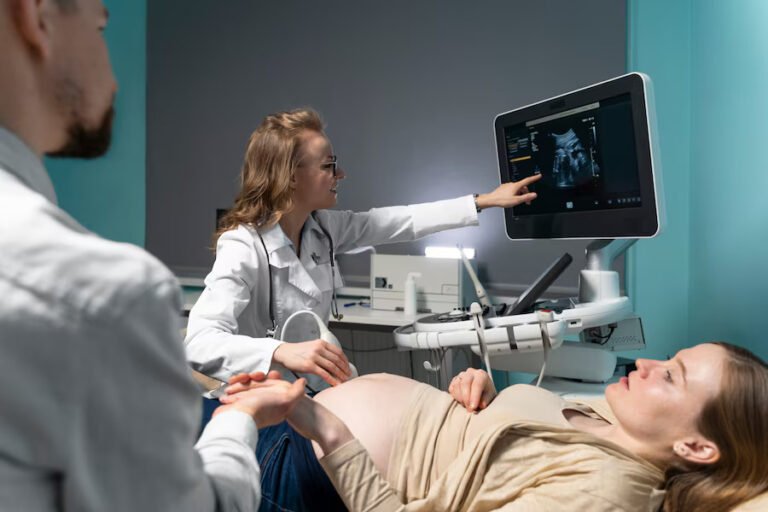
- Monitoring: Ultrasound examinations and, when appropriate, blood tests help the fertility team assess follicular development.
- Egg retrieval: Mature eggs are collected through a minimally invasive procedure.
- Fertilization: Eggs are combined with sperm in the laboratory. Intracytoplasmic sperm injection (ICSI) may be considered in selected cases.
- Embryo development: Embryos are monitored as they develop.
- Embryo transfer: A suitable embryo may be transferred into the uterus.
- Pregnancy testing: A blood test is performed at the appropriate time to determine whether implantation has resulted in pregnancy.
Not every patient follows exactly the same pathway. A fertility specialist should tailor treatment according to the couple’s individual circumstances.
Is IVF Treatment in Tri Nagar Delhi Safe?
For patients considering IVF treatment in Tri Nagar Delhi, safety should be one of the first factors to discuss during a consultation.
IVF has been used for decades and has undergone significant advances in medication protocols, laboratory techniques and monitoring. Nevertheless, it is not completely risk-free.
A responsible fertility approach focuses not only on achieving pregnancy but also on protecting the patient’s health. Doctors may adjust medication doses, monitor ovarian response and choose an appropriate embryo-transfer strategy based on individual risk factors.
Patients should also understand why a particular protocol has been recommended rather than assuming that a more aggressive treatment automatically produces better results.
Benefits of IVF Treatment
IVF can be useful in several fertility situations. Depending on the diagnosis, it may be considered for:
- Blocked or damaged fallopian tubes
- Certain types of male-factor infertility
- Endometriosis-related infertility
- Ovulation problems when other treatments have not worked
- Unexplained infertility in selected couples
- Reduced ovarian reserve or age-related fertility challenges
- Some cases where previous fertility treatments were unsuccessful
- Couples requiring assisted reproduction because of specific reproductive circumstances
One important advantage of IVF is that it allows fertilization to take place in a controlled laboratory environment. It can also provide additional options in selected cases, such as ICSI or embryo cryopreservation.
However, IVF is not automatically the best treatment for every couple. A thorough fertility evaluation should come first.
What Are the Risks of IVF?
Understanding potential risks helps patients make informed decisions. The majority of IVF cycles do not result in serious complications, but possible concerns include the following.
Ovarian Hyperstimulation Syndrome
Ovarian hyperstimulation syndrome (OHSS) can occur when the ovaries respond excessively to fertility medication. Symptoms can range from abdominal discomfort and bloating to more serious complications.
Modern stimulation strategies and careful monitoring have reduced the likelihood of severe OHSS. Doctors can also modify treatment when a patient appears to be at higher risk.
Multiple Pregnancy
Transferring more than one embryo can increase the chance of twins or higher-order multiple pregnancy. Multiple pregnancies carry higher risks for both the mother and babies, including premature birth.
For this reason, the number of embryos transferred should be discussed carefully. In suitable situations, single-embryo transfer can help reduce the risk of multiple pregnancy.
Egg Retrieval-Related Complications
Egg collection is generally a minimally invasive procedure, but temporary pain, cramping or light bleeding may occur. More significant complications, such as infection or bleeding, are uncommon but possible.
Emotional and Physical Stress
IVF can involve appointments, medications, procedures and uncertainty. The emotional impact can be significant, especially when treatment requires more than one cycle.
Couples should therefore consider emotional support, realistic expectations and open communication throughout treatment.
Factors That Can Affect IVF Safety and Outcomes
The safety and potential success of treatment depend on more than the fertility procedure itself.
Important factors include:
- Age: Fertility and egg quality generally decline with age, particularly after the mid-30s.
- Ovarian reserve: Tests such as AMH and antral follicle count can help assess ovarian reserve, although they cannot independently predict whether IVF will result in a live birth.
- Sperm health: Sperm concentration, movement and morphology can influence treatment planning.
- Medical conditions: Conditions such as thyroid disorders, diabetes or significant uterine abnormalities may require attention before treatment.
- Lifestyle: Smoking, excessive alcohol consumption and unhealthy weight can negatively affect reproductive health.
- Clinic and laboratory practices: Experienced professionals, appropriate monitoring and strong laboratory procedures are important components of safe fertility care.
Therefore, patients should avoid judging a clinic solely by advertised success rates. Ask how outcomes are measured and whether the information applies to patients with similar age and fertility profiles.
How to Prepare for IVF in Delhi
Before starting treatment, discuss your complete medical and reproductive history with your fertility specialist. Bring information about previous pregnancies, miscarriages, fertility treatments, surgeries and medications.
You may also be advised to undergo relevant investigations for both partners. Depending on your circumstances, these can include hormonal assessment, pelvic ultrasound, ovarian reserve testing, semen analysis and screening for certain infections.
During treatment, take prescribed medication exactly as directed. Do not change doses or add supplements without discussing them with your doctor.
Maintaining a balanced diet, avoiding smoking, limiting alcohol and following recommended physical activity can also support general health during fertility treatment.
Choosing the Right Fertility Care in Tri Nagar Delhi
If you are searching for IVF treatment in Tri Nagar Delhi, look beyond convenience or promotional claims. A good fertility consultation should give you an opportunity to understand your diagnosis, available treatment options, potential risks and expected costs.
Consider asking:
- What is the likely cause of infertility?
- Is IVF necessary, or are other treatments appropriate?
- Which IVF protocol is being recommended and why?
- What are the potential risks for my specific situation?
- How will ovarian response be monitored?
- How will the clinic minimize the risk of multiple pregnancy?
- What additional procedures, if any, might be required?
Clear communication is an important part of safe and ethical fertility care.
When Should You Seek Fertility Advice?
You do not always need to wait several years before consulting a specialist. Couples who have been trying to conceive without success should consider professional evaluation based on age and individual circumstances.
Earlier assessment may be appropriate when there are irregular or absent periods, known endometriosis, previous pelvic surgery, suspected tubal problems, recurrent pregnancy loss or concerns about sperm health.
A fertility evaluation does not automatically mean that IVF will be required. In many cases, the first step is simply identifying the reason for difficulty conceiving and discussing the least invasive appropriate options.
Conclusion
IVF is an established fertility treatment that can help selected couples achieve pregnancy, but it should never be viewed as a completely risk-free procedure. With appropriate assessment, individualized medication, careful monitoring and responsible embryo-transfer practices, doctors can work to reduce avoidable risks. If you are considering IVF treatment in Tri Nagar Delhi, start with a detailed consultation rather than choosing treatment based only on success-rate advertisements. Understanding your fertility diagnosis, treatment options, potential risks and expected costs can help you make a confident decision. Speak with Ummeed urology and gynecology center to determine whether IVF is appropriate for your circumstances and what approach may offer the safest and most suitable path forward.