
Kidney Specialist in Delhi: Tests You May Need for Better Kidney Health
If you are worried about kidney health, knowing which tests you may need can make your consultation more productive. A Kidney Specialist in Delhi may recommend different investigations depending on your symptoms, medical history, age, blood pressure, diabetes status, and existing kidney problems. Early evaluation can help identify abnormalities before they progress.
For fast information, direct chat with us on WhatsApp.
Ummeed urology and gynecology center recommend blood tests such as serum creatinine and eGFR, urine tests, blood pressure measurement, and kidney imaging based on your symptoms and risk factors. Additional tests, including urine albumin-to-creatinine ratio, electrolyte testing, or specialised investigations, may be needed to identify kidney disease and determine its cause.
Why Are Kidney Tests Important?
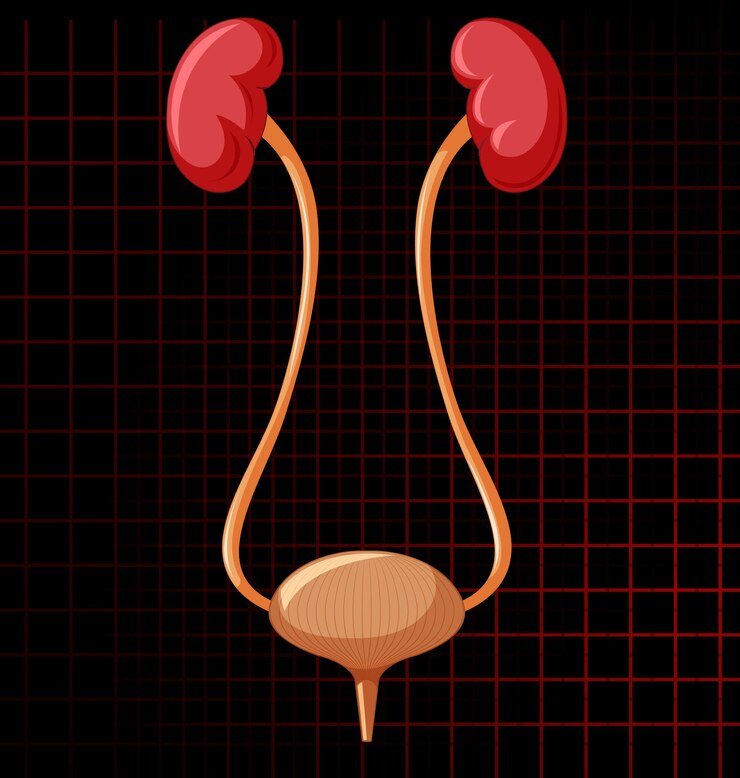
Your kidneys filter waste products from the blood, maintain fluid balance, regulate electrolytes, and support healthy blood pressure. However, kidney problems can develop gradually without obvious symptoms.
That is why testing matters, particularly for people with diabetes, high blood pressure, a family history of kidney disease, recurrent kidney stones, or previous kidney problems.
Moreover, kidney tests do more than detect disease. They can help a doctor understand how well your kidneys are functioning, monitor an existing condition, and assess whether treatment is working.
Common Tests Recommended by a Kidney Specialist in Delhi
There is no single kidney test that suits everyone. A specialist usually selects investigations according to the individual’s health profile.
1. Serum Creatinine and eGFR
A blood test can measure serum creatinine, a waste product normally removed by the kidneys. If creatinine levels rise, it may indicate reduced kidney filtration, although other factors can also influence the result.
Doctors commonly use creatinine to estimate the estimated glomerular filtration rate (eGFR). This provides an estimate of kidney filtering capacity and helps clinicians assess and monitor chronic kidney disease.
Importantly, one abnormal result does not automatically mean chronic kidney disease. Your doctor may repeat the test and interpret it alongside other findings.
2. Urine Routine and Microscopy
A urine examination can provide valuable information about kidney and urinary health.
Depending on the findings, it may detect:
- Blood in the urine
- Protein
- Signs of infection
- Abnormal cells
- Crystals
- Other urinary abnormalities
For example, persistent blood or protein in urine may require further evaluation.
3. Urine Albumin-to-Creatinine Ratio
The urine albumin-to-creatinine ratio (UACR) measures albumin, a type of protein, in urine.
Healthy kidneys generally prevent significant amounts of albumin from passing into urine. Therefore, persistent albumin in the urine can be an important sign of kidney damage.
UACR is particularly useful in people with diabetes, hypertension, or other risk factors for chronic kidney disease.
What Other Blood Tests May Be Needed?
Kidney health involves more than creatinine levels. Depending on your condition, a specialist may recommend additional blood investigations.
These can include:
- Blood urea nitrogen (BUN) or urea: Helps assess waste accumulation in the blood.
- Electrolytes: Sodium, potassium, bicarbonate, and other electrolytes may change when kidney function is impaired.
- Calcium and phosphate: These can be relevant in some patients with chronic kidney disease.
- Complete blood count (CBC): May help identify anaemia or other abnormalities associated with kidney disease.
- Blood glucose or HbA1c: Useful when diabetes is a potential kidney risk factor.
Your doctor will decide which tests are appropriate rather than ordering every investigation routinely.
Imaging Tests for Kidney and Urinary Problems
Blood and urine tests show how the kidneys are functioning, but imaging can provide information about their structure.
Ultrasound of the Kidneys and Urinary Tract
A renal ultrasound is commonly used because it does not involve ionising radiation. It can help identify conditions such as:
- Kidney stones
- Urinary obstruction
- Changes in kidney size
- Cysts
- Hydronephrosis
- Certain structural abnormalities
The test may also assess the bladder and, in some situations, urine remaining after bladder emptying.
CT Scan or Other Imaging
A doctor may recommend CT imaging when ultrasound does not provide enough information or when a particular condition requires more detailed assessment.
For suspected kidney stones, the appropriate imaging method depends on factors such as symptoms, age, pregnancy status, previous imaging, and clinical urgency.
Because some CT scans use contrast material, the doctor considers kidney function and other relevant factors before selecting the test.
When Might Specialised Kidney Tests Be Required?
Most people do not need specialised testing. However, further investigations may become appropriate when routine results suggest a specific kidney disorder.
For example, a specialist may consider additional tests when there is:
- Persistent protein or albumin in urine
- Unexplained blood in urine
- Rapidly changing kidney function
- Recurrent kidney stones
- Suspected inherited kidney disease
- Abnormal electrolyte levels
- Signs of an immune-related kidney condition
In selected cases, doctors may use immunological blood tests, 24-hour urine collection, genetic testing, or a kidney biopsy.
A kidney biopsy involves examining a small sample of kidney tissue under a microscope. Doctors generally reserve it for situations where the results could significantly influence diagnosis or treatment.
Who Should Consider a Kidney Health Check?
Routine kidney evaluation becomes especially important if you have risk factors for kidney disease.
You may benefit from discussing kidney screening with your doctor if you have:
- Diabetes
- High blood pressure
- Cardiovascular disease
- A family history of kidney disease
- Recurrent kidney stones
- Previous acute kidney injury
- Persistent urinary abnormalities
- Long-term use of certain medicines that may affect kidney function
Also, symptoms such as swelling around the legs or eyes, changes in urination, blood in urine, persistent fatigue, or unexplained nausea should not be ignored.
However, these symptoms can have several causes. A medical evaluation is necessary to determine whether the kidneys are involved.
How to Prepare for Kidney Tests
Preparation depends on the investigation. Many routine blood and urine tests require little preparation, but certain tests may have specific instructions.
Before your appointment, keep a record of:
- Current medicines and supplements
- Previous kidney or urinary problems
- Recent laboratory reports
- Blood pressure readings, if available
- Diabetes-related reports, if applicable
- Previous scans or imaging reports
Do not stop prescribed medicines simply because you are undergoing kidney testing. Instead, ask your doctor whether any medicine needs special consideration before a particular investigation.
Choosing a Kidney Specialist in Delhi
When selecting a specialist, look beyond convenience alone. Consider the doctor’s qualifications, experience, approach to diagnosis, and access to appropriate investigations.
A good consultation should allow you to discuss your symptoms and risk factors clearly. The specialist should also explain why a test is recommended and what the results may mean.
For people living in Delhi and nearby areas, choosing a conveniently accessible clinic can make follow-up easier, especially when kidney function needs regular monitoring.
Conclusion
Kidney testing should not follow a one-size-fits-all approach. A Kidney Specialist in Delhi can assess your symptoms, medical history, risk factors, and previous reports before recommending appropriate blood tests, urine investigations, or imaging. Tests such as serum creatinine, eGFR, urine examination, and UACR can provide important information about kidney function and possible damage. Additional investigations may be necessary when routine results raise concerns. If you have diabetes, high blood pressure, recurrent stones, urinary abnormalities, or symptoms affecting your urinary health, consider discussing them with a qualified specialist. Early evaluation and appropriate follow-up can support better kidney health and help manage problems before they become more difficult to treat.
You can schedule an appointment or find out more at https://ummeedurologyandgynecology.com/.