
How to Choose the Best Urologist Treatment in Pitampura for Better Urinary Health
Urinary health plays an important role in overall well-being, but people often ignore symptoms such as frequent urination, burning sensations, lower abdominal discomfort, or difficulty passing urine. These problems may indicate an underlying urological condition that requires medical attention. Choosing the Best Urologist Treatment in Pitampura can help patients receive an accurate diagnosis, understand their treatment options, and manage urinary health concerns effectively.
For fast information, direct chat with us on WhatsApp.
The best urologist treatment involves choosing a qualified specialist who can diagnose and manage conditions affecting the kidneys, bladder, prostate, and urinary tract. Look for relevant clinical experience, appropriate diagnostic facilities, clear communication, and treatment options suited to your condition. Early consultation can help prevent certain urinary problems from becoming more complicated.
Why Is Choosing the Right Urologist Important?
A urologist is a medical specialist who diagnoses and treats conditions involving the urinary system in both men and women. Urologists also manage conditions affecting the male reproductive system.
The right specialist can identify the possible cause of symptoms and recommend suitable medical or surgical treatment. This is important because different urinary problems can produce similar symptoms.
For example, frequent urination may be associated with a urinary tract infection, an overactive bladder, diabetes, or an enlarged prostate. A proper evaluation helps distinguish between these possibilities.
Consulting an experienced urologist is particularly important when symptoms persist, return frequently, or interfere with everyday activities.
Common Urological Conditions That Require Expert Treatment
Urological problems can affect people of different ages. Some conditions develop gradually, while others may cause sudden discomfort.
Here are some common concerns that may require specialist attention.
1. Kidney Stones
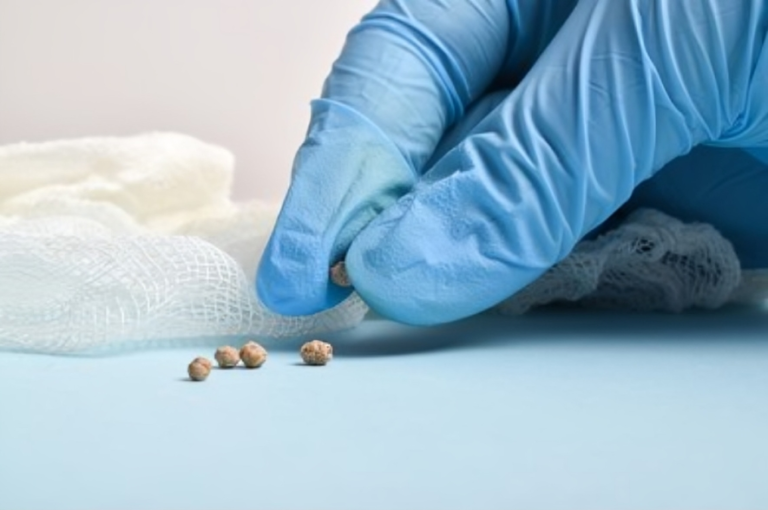
Kidney stones are hard deposits formed from minerals and salts in the urine. They can cause severe pain in the back or side, nausea, vomiting, and blood in the urine.
Treatment depends on the stone’s size, location, and composition. Smaller stones may pass naturally with appropriate medical guidance, while larger stones may require procedures such as shock wave lithotripsy or ureteroscopy.
2. Urinary Tract Infections
Urinary tract infections (UTIs) can affect the bladder, urethra, or kidneys. Common symptoms include burning during urination, frequent urges to urinate, cloudy urine, and lower abdominal discomfort.
A doctor may recommend urine testing and appropriate medication depending on the infection and the patient’s medical history.
3. Prostate Problems
Prostate conditions, particularly benign prostatic enlargement, become more common with age. Symptoms may include a weak urine stream, difficulty starting urination, frequent nighttime urination, and incomplete bladder emptying.
A urologist can evaluate prostate health and recommend suitable treatment based on symptom severity and test results.
4. Bladder and Urinary Problems
Overactive bladder, urinary incontinence, and difficulty emptying the bladder can affect daily comfort and confidence.
Treatment may involve lifestyle changes, bladder training, medication, or specialist procedures depending on the underlying cause.
How to Choose the Best Urologist Treatment in Pitampura
Finding the right urological care requires more than selecting a nearby clinic. Patients should consider several factors before making a decision.
Check the Urologist’s Qualifications and Experience
Look for a qualified urologist with appropriate specialist training and experience in managing your particular condition. For example, someone with recurrent kidney stones may need a specialist experienced in stone management, while a patient with prostate symptoms may require a detailed prostate evaluation.
You can also ask about the doctor’s experience with the recommended treatment.
Understand the Available Diagnostic Facilities
Accurate diagnosis is an important part of effective treatment. Depending on the symptoms, a urologist may recommend:
- Urine routine examination and urine culture
- Blood tests to assess kidney function
- Ultrasound of the kidneys, ureters, and bladder
- CT scans when clinically indicated
- Uroflowmetry to assess urine flow
- Cystoscopy when examination of the bladder or urethra is necessary
Not every patient requires all these tests. The specialist should recommend investigations according to the symptoms and clinical findings.
Look for Clear Treatment Explanations
A good consultation should help you understand your condition, available treatment choices, possible risks, and expected follow-up.
Ask whether medication, lifestyle changes, minimally invasive procedures, or surgery may be appropriate. Understanding the advantages and limitations of each option helps you make informed decisions.
Consider Accessibility and Follow-Up Care
Urological conditions sometimes require repeated consultations, investigations, or monitoring. Therefore, consider the clinic’s location, appointment availability, communication, and follow-up arrangements.
Patients living in Pitampura, Rohini, Shalimar Bagh, Ashok Vihar, and nearby North Delhi areas may find accessibility an important factor when selecting specialist care.
When Should You Consult a Urologist?
Do not ignore urinary symptoms simply because they appear mild initially. Consider scheduling a consultation if you experience:
- Repeated burning or pain during urination
- Blood in the urine, even without pain
- Frequent urination, particularly at night
- Difficulty starting or maintaining urine flow
- Recurrent urinary tract infections
- Persistent pain in the lower abdomen, back, or sides
- Urinary leakage or difficulty emptying the bladder
Some symptoms require urgent medical attention. Inability to pass urine, fever with flank pain, severe uncontrolled pain, or visible blood accompanied by clots should be assessed promptly. Fever with suspected urinary infection and flank pain can indicate a kidney infection or an obstructed urinary system.
What Should You Expect During a Urology Consultation?
A first consultation generally begins with a discussion about your symptoms, medical history, medications, and previous treatments.
The doctor may ask questions about how frequently you urinate, whether you experience pain, and when the symptoms started. Depending on the condition, a physical examination or diagnostic tests may follow.
Before your appointment, consider keeping a record of your symptoms and bringing previous investigation reports and medication details. This can help the specialist understand your medical history more clearly.
Most importantly, ask questions if you do not understand a diagnosis or treatment recommendation. A clear discussion helps you participate confidently in your healthcare decisions.
Frequently Asked Questions
1. When should I visit a urologist for urinary problems?
You should consult a urologist if you experience persistent burning during urination, blood in urine, difficulty passing urine, recurrent infections, or frequent nighttime urination. Early evaluation can help identify the underlying cause and determine whether medication, lifestyle changes, or further treatment is needed.
2. What treatments are available for kidney stones?
Kidney stone treatment depends on the stone’s size, location, and composition. Smaller stones may pass without surgery under medical supervision. Larger or problematic stones may require shock wave lithotripsy, ureteroscopy, or percutaneous nephrolithotomy. Your urologist will recommend an appropriate approach after reviewing the necessary investigations.
3. Can prostate problems affect urination?
Yes. Prostate enlargement can press against the urethra and interfere with normal urine flow. Symptoms may include a weak stream, frequent urination, difficulty starting, and waking up repeatedly at night. A urologist can assess prostate health and recommend appropriate management.
4. How do I find a reliable urologist near Pitampura?
Check the specialist’s qualifications, relevant clinical experience, patient communication, diagnostic approach, and follow-up arrangements. Also consider whether the doctor regularly manages your particular condition. Patients in Pitampura and nearby North Delhi localities can compare accessible specialist clinics before scheduling a consultation.
5. Are all urinary problems treated with surgery?
No. Many urinary conditions can be managed through medication, lifestyle modifications, hydration guidance, or other non-surgical approaches. Surgery or minimally invasive procedures may be necessary for certain kidney stones, prostate conditions, or structural problems. Treatment depends on the diagnosis and individual medical requirements.
Conclusion
Maintaining good urinary health requires attention to symptoms, timely diagnosis, and appropriate medical guidance. Whether you are experiencing kidney stones, prostate-related difficulties, recurrent urinary infections, or bladder problems, selecting the Best Urologist Treatment in Pitampura starts with evaluating the specialist’s qualifications, diagnostic approach, treatment experience, and follow-up care. Avoid ignoring persistent urinary symptoms or relying on self-medication. If you experience concerning changes in urination, consider scheduling a consultation with a qualified urologist. Patients from Pitampura and surrounding North Delhi areas can explore professional urological care through Ummeed Urology and Gynecology to discuss their symptoms and understand suitable treatment options.