What Are the Common Symptoms That Indicate You Need Urinary Bladder Stone Treatment in Delhi?
Urinary bladder stones are a common urological condition that can cause significant discomfort and affect daily life if left untreated. These stones develop when minerals in the urine crystallize and accumulate inside the bladder. While some bladder stones remain small and may pass naturally, larger stones often require professional medical attention. Understanding the warning signs can help you seek timely Urinary Bladder Stone Treatment in Delhi and prevent further complications.
At Ummeed Urology and Gynecology Center, we believe that early diagnosis and appropriate treatment are essential for maintaining urinary health. In this article, we discuss the common symptoms that may indicate the need for Urinary Bladder Stone Treatment in Delhi.
For fast information, direct chat with us on WhatsApp.
Understanding Urinary Bladder Stones
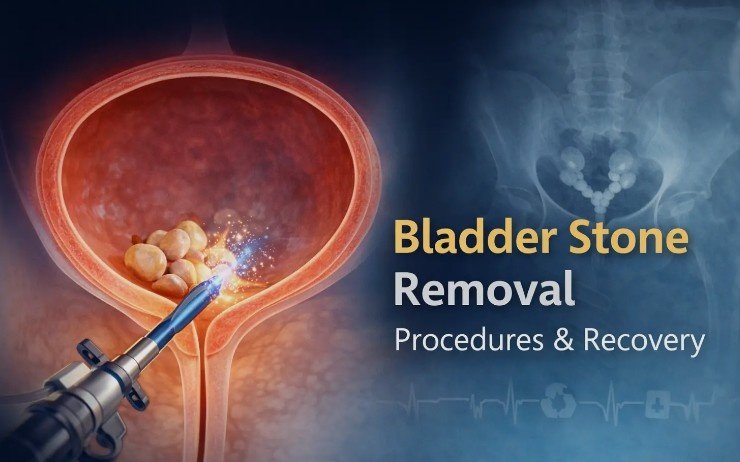
Bladder stones are hard mineral deposits that form in the urinary bladder. They typically develop when urine remains in the bladder for extended periods, allowing minerals to crystallize. Factors such as urinary tract obstruction, enlarged prostate, bladder dysfunction, infections, and dehydration can increase the risk of stone formation.
Although bladder stones can affect people of all ages, they are more commonly seen in adults, especially men. Recognizing symptoms early can help patients receive effective Urinary Bladder Stone Treatment in Delhi before complications arise.
Frequent and Painful Urination
One of the earliest symptoms of bladder stones is a sudden increase in the frequency of urination. Patients may feel the urge to urinate more often than usual, even when the bladder contains only a small amount of urine.
Pain or a burning sensation during urination is also common. The stone can irritate the bladder lining, leading to discomfort every time urine passes. If these symptoms persist, it may be time to consult a specialist for Urinary Bladder Stone Treatment in Delhi.
Lower Abdominal Pain
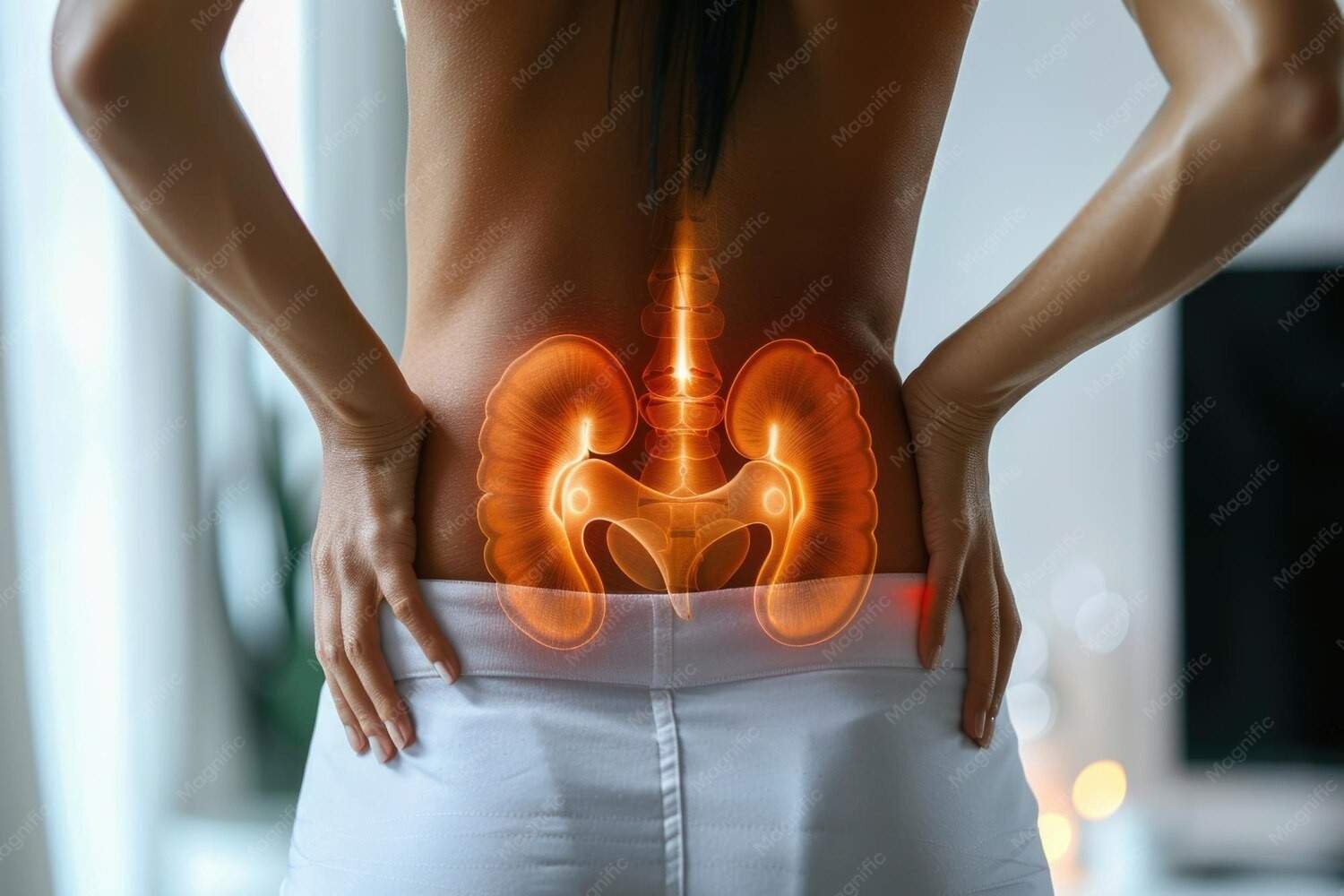
Bladder stones often cause pain or pressure in the lower abdomen. This discomfort may range from mild irritation to severe pain, depending on the size and location of the stone.
The pain may become more noticeable during movement, physical activity, or urination. Persistent lower abdominal discomfort should never be ignored, as it could indicate the presence of bladder stones requiring medical evaluation.
Blood in the Urine
The appearance of blood in the urine, known as hematuria, is another significant warning sign. Bladder stones can rub against the bladder wall, causing irritation and bleeding.
In some cases, the urine may appear pink, red, or brown. Sometimes the blood is only detectable through laboratory testing. Regardless of the amount, blood in the urine requires immediate medical attention and may indicate the need for Urinary Bladder Stone Treatment in Delhi.
Interrupted or Weak Urine Flow
Many patients with bladder stones experience difficulty passing urine. The stone may partially block the flow of urine, causing a weak stream or an interrupted flow.
Some individuals report that their urine stream suddenly stops and then starts again. This symptom can be frustrating and may worsen over time if the stone continues to grow. Seeking professional evaluation can help determine the underlying cause and appropriate treatment.
Difficulty Emptying the Bladder
A feeling of incomplete bladder emptying is a common complaint among patients with bladder stones. Even after urination, individuals may feel that urine remains trapped in the bladder.
This occurs because the stone can interfere with normal bladder function. If left untreated, incomplete emptying can increase the risk of urinary tract infections and other complications.
Cloudy or Dark-Colored Urine
Changes in urine appearance can also signal bladder stones. Urine may become cloudy due to irritation, infection, or the presence of blood.
Some patients notice a darker color or unusual odor in their urine. These changes should not be overlooked, especially when accompanied by other urinary symptoms. Early diagnosis can make Urinary Bladder Stone Treatment in Delhi more effective and reduce the risk of complications.
Recurrent Urinary Tract Infections
Bladder stones can create an environment that promotes bacterial growth, increasing the likelihood of urinary tract infections (UTIs). Recurrent infections may indicate an underlying bladder stone problem.
Common symptoms of UTIs include:
- Burning during urination
- Frequent urge to urinate
- Fever
- Cloudy urine
- Pelvic discomfort
If urinary infections keep returning despite treatment, a comprehensive evaluation may reveal bladder stones as the root cause.
Sudden Urinary Urgency
Many patients experience an intense and sudden need to urinate. This urinary urgency can occur at any time of the day or night and may disrupt work, sleep, and daily activities.
Bladder stones can irritate the bladder lining, making it difficult to control the urge to urinate. Persistent urgency should be assessed by a urologist to determine the exact cause.
Urinary Retention
In more severe cases, bladder stones can cause complete urinary blockage. This condition, known as urinary retention, prevents the bladder from emptying properly and can become a medical emergency.
Symptoms of urinary retention include:
- Inability to urinate
- Severe lower abdominal pain
- Bladder swelling
- Discomfort and pressure
Immediate medical intervention is necessary to prevent serious complications.
Risk Factors That Increase the Chances of Bladder Stones
Several factors can contribute to the development of bladder stones, including:
- Chronic dehydration
- Enlarged prostate
- Neurogenic bladder disorders
- Recurrent urinary infections
- Urinary tract obstruction
- Previous urinary tract surgeries
- Long-term catheter use
Individuals with these risk factors should undergo regular health check-ups and seek medical advice if symptoms develop.
Importance of Early Diagnosis and Treatment
Ignoring bladder stone symptoms can lead to several complications, including:
- Repeated infections
- Chronic bladder irritation
- Urinary retention
- Kidney damage
- Persistent pain and discomfort
Early diagnosis allows specialists to determine the size, location, and severity of the stone using advanced imaging techniques. Appropriate Urinary Bladder Stone Treatment in Delhi can help relieve symptoms, prevent complications, and restore normal urinary function.
Available Treatment Options
Treatment depends on the size and nature of the bladder stone. Small stones may pass naturally with increased fluid intake. However, larger stones often require specialized procedures such as cystolitholapaxy or minimally invasive stone removal techniques.
A qualified urologist can recommend the most suitable treatment plan based on the patient’s condition, overall health, and medical history.
Conclusion
Urinary bladder stones can significantly affect your quality of life if left untreated. Symptoms such as frequent urination, pain during urination, blood in the urine, lower abdominal discomfort, interrupted urine flow, and recurrent infections should never be ignored. Recognizing these warning signs early can help you receive timely Urinary Bladder Stone Treatment in Delhi and avoid serious complications.
At Ummeed Urology and Gynecology Center, our experienced specialists are dedicated to providing accurate diagnosis and advanced treatment solutions for urinary bladder stones. If you are experiencing any of the symptoms discussed above, seeking professional medical guidance can be the first step toward lasting relief and improved urinary health.
You can schedule an appointment or find out more at https://ummeedurologyandgynecology.com/.