
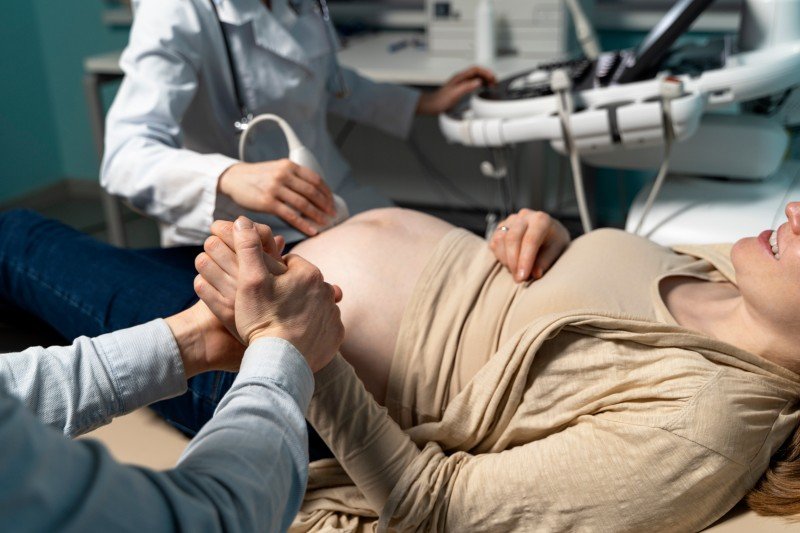
Complete Pregnancy Care in Paschim Vihar: A Guide to a Healthy Pregnancy
Pregnancy is an important stage of life that brings physical, emotional, and lifestyle changes. Regular medical care can help monitor the health of both mother and baby throughout this journey. For women looking for Pregnancy care in Paschim Vihar Delhi, understanding antenatal checkups, nutrition, screening tests, warning signs, and delivery planning can make pregnancy more informed and manageable.
For fast information, direct chat with us on WhatsApp.
Pregnancy care in Paschim Vihar Delhi includes regular antenatal checkups, appropriate screening tests, nutritional guidance, monitoring of the mother and baby, vaccination advice, and preparation for delivery. Care should begin early in pregnancy and continue throughout all three trimesters, with additional monitoring when medical or pregnancy-related risk factors are present.
What Does Pregnancy Care Include?
Pregnancy care, also called antenatal or prenatal care, involves regular assessment of the mother’s health and the baby’s development. The schedule and type of care can vary depending on the stage of pregnancy and individual health needs.
A typical pregnancy care plan may include:
- Initial pregnancy assessment and medical history
- Blood pressure and weight monitoring
- Blood and urine tests when recommended
- Ultrasound examinations at appropriate stages
- Screening for conditions that may affect pregnancy
- Nutrition and lifestyle guidance
- Vaccination advice
- Monitoring fetal growth and well-being
- Birth and delivery planning
- Postpartum care preparation
Regular appointments also give women an opportunity to discuss symptoms, medications, emotional concerns, and questions about pregnancy.
Pregnancy Care in Paschim Vihar Delhi: Care During Each Trimester
Every trimester has different milestones. Therefore, pregnancy care should be adjusted according to the mother’s changing needs and the baby’s development.
First Trimester: Building a Healthy Foundation
The first trimester covers the early weeks of pregnancy and is an important time for establishing antenatal care. An initial consultation generally involves reviewing medical history, confirming the pregnancy when needed, and assessing factors that may influence pregnancy.
Your doctor may recommend blood or urine tests, ultrasound examinations, and other screening based on your circumstances. It is also important to discuss existing medical conditions and all medicines or supplements you are taking.
Early pregnancy is also a good time to establish healthy habits. A balanced diet, appropriate physical activity, adequate rest, and avoidance of tobacco and alcohol are important parts of pregnancy health.
Second Trimester: Monitoring Growth and Maternal Health
During the second trimester, the baby’s growth becomes more noticeable and routine appointments continue to monitor both mother and baby.
Depending on individual circumstances, your doctor may recommend screening tests or an ultrasound examination to assess fetal development. Blood pressure, weight, symptoms, and other aspects of maternal health are also reviewed.
Many women experience changes in appetite, energy levels, sleep, and physical comfort during this period. Discussing persistent or concerning symptoms with your healthcare provider can help determine whether further assessment is needed.
Third Trimester: Preparing for Delivery
The third trimester focuses increasingly on monitoring fetal growth, maternal well-being, and preparation for birth. Your healthcare provider may adjust the frequency of appointments according to your pregnancy and medical needs.
Discussions may include the baby’s position, signs of labour, delivery planning, breastfeeding, hospital arrangements, and postpartum recovery.
It is also useful to understand which symptoms require urgent medical attention as the due date approaches.
Nutrition and Lifestyle During Pregnancy
Good nutrition supports the increased demands placed on the body during pregnancy. Rather than following restrictive diets, expectant mothers should generally focus on a varied and balanced eating pattern.
Meals can include vegetables, fruits, whole grains, pulses, dairy or suitable alternatives, and appropriate protein sources. Your doctor may recommend specific supplements, such as folic acid or iron, depending on the stage of pregnancy and individual requirements.
Hydration, adequate sleep, and suitable physical activity can also contribute to overall well-being. However, exercise recommendations should be individualized, particularly for women with pregnancy complications or other medical conditions.
Avoid starting supplements, herbal products, or medicines without discussing them with your doctor.
When Should You Seek Medical Advice During Pregnancy?
Not every pregnancy symptom indicates a serious problem. However, some symptoms should not be ignored.
Contact your healthcare provider promptly if you experience symptoms such as:
- Vaginal bleeding
- Severe or persistent abdominal pain
- Severe headache or visual disturbances
- Sudden or significant swelling
- Fluid leaking from the vagina
- Fever or signs of infection
- Difficulty breathing or chest pain
- Noticeably reduced fetal movement later in pregnancy
Some situations may require urgent or emergency medical attention. If symptoms are severe or rapidly worsening, seek immediate medical care rather than waiting for a routine appointment.
Who May Need Closer Pregnancy Monitoring?
Some pregnancies require more frequent monitoring because of maternal health conditions, previous pregnancy complications, multiple pregnancy, or concerns identified during pregnancy.
For example, women with diabetes, high blood pressure, thyroid disorders, certain autoimmune conditions, or a history of pregnancy complications may need individualized care.
Being considered higher risk does not automatically mean that complications will occur. It means the pregnancy may benefit from closer observation and coordinated medical management.
Choosing Pregnancy Care Near Paschim Vihar
When selecting an obstetrician or gynecological care provider, consider factors beyond location. Look for a qualified professional who takes time to understand your medical history, explains investigations clearly, and provides an appropriate follow-up plan.
It can also help to ask about:
- Availability of routine antenatal consultations
- Approach to high-risk pregnancy when applicable
- Diagnostic and ultrasound facilities or referral arrangements
- Delivery planning and hospital coordination
- Emergency guidance
- Postpartum follow-up
Good pregnancy care is not simply about attending appointments. It is about having a reliable care plan and knowing when to seek professional advice.
Frequently Asked Questions
1. When should I start pregnancy care after a positive pregnancy test?
Pregnancy care should begin early after confirming pregnancy. An initial appointment allows your doctor to review your health history, medications, previous pregnancies, and any potential risk factors. Your doctor can then recommend appropriate investigations, supplements, and follow-up based on your individual needs and stage of pregnancy.
2. What tests are commonly done during pregnancy?
Pregnancy investigations vary according to the trimester and individual health. They may include blood and urine tests, blood group testing, infection screening, ultrasound examinations, and screening for certain pregnancy-related conditions. Your doctor will recommend tests based on your medical history, symptoms, gestational age, and applicable clinical guidelines.
3. How often should I visit a doctor during pregnancy?
The frequency of antenatal visits depends on the stage of pregnancy and the mother’s health. Appointments may be more frequent later in pregnancy or when additional monitoring is required. Your obstetrician will create a schedule appropriate for your pregnancy rather than relying on a single schedule for every patient.
4. Is pregnancy care different for a high-risk pregnancy?
Yes. High-risk pregnancies may require closer monitoring and additional investigations depending on the underlying risk factor. Conditions such as high blood pressure, diabetes, certain previous pregnancy complications, or multiple pregnancy may require individualized care. Your obstetrician can explain the recommended monitoring and treatment plan for your situation.
5. How do I choose a pregnancy care doctor in Paschim Vihar?
Choose a qualified obstetrician who can provide appropriate antenatal monitoring and clearly explain your pregnancy care plan. Consider experience, accessibility, communication, hospital or delivery arrangements, and support for complications when necessary. A convenient location can also make regular appointments easier throughout pregnancy.
Conclusion
Good pregnancy care involves more than routine appointments. Early antenatal care, appropriate screening, balanced nutrition, healthy lifestyle choices, regular monitoring, and timely medical advice all contribute to informed pregnancy management. Women looking for Pregnancy care in Paschim Vihar Delhi should choose a qualified obstetrician who can understand their individual health needs and guide them through each stage of pregnancy. If you are pregnant or planning a pregnancy, scheduling an appropriate consultation can help establish a personalized care plan. Always discuss new symptoms, medicines, supplements, or concerns with Ummeed urology and gynecology center rather than relying on general online information.