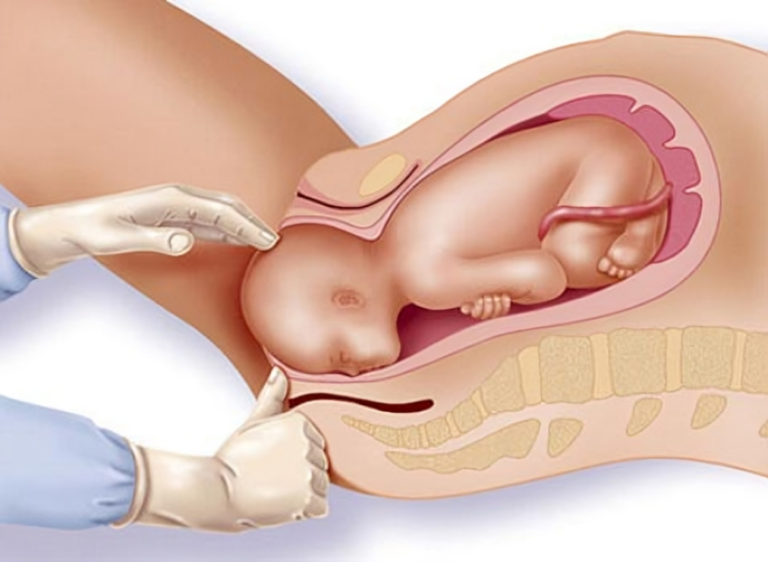

When Should You Consult a Delivery Specialist in Tri Nagar Delhi? A Guide to Pregnancy and Labour Care
Pregnancy brings many important decisions, from choosing the right doctor to preparing for labour and childbirth. Consulting a Delivery Specialist in Tri Nagar Delhi can help expectant mothers receive appropriate prenatal care, understand their delivery options, and identify potential complications early. Whether you are planning your first pregnancy or preparing for another delivery, knowing when to seek maternity care can make the journey more informed and organized.
For fast information, direct chat with us on WhatsApp.
Ummeed urology and gynecology center helps monitor pregnancy, prepare for labour, manage childbirth, and support recovery after delivery. Consult an obstetrician as soon as you confirm pregnancy, or earlier if you are planning to conceive or have medical risk factors. Regular antenatal visits help track maternal health, fetal development, and potential complications.
What Does a Delivery Specialist Do?
A delivery specialist is generally an obstetrician or a gynaecologist with expertise in pregnancy, labour, childbirth, and post-delivery care. This specialist monitors the mother’s health and the baby’s development throughout pregnancy and helps plan care according to individual medical needs.
Their responsibilities may include:
- Monitoring maternal health and fetal growth.
- Arranging routine antenatal checkups and recommended tests.
- Identifying pregnancy-related risks and complications.
- Advising on normal vaginal delivery and caesarean birth.
- Managing labour and providing postpartum guidance.
- Supporting breastfeeding, recovery, and maternal wellbeing after childbirth.
The right care plan depends on the mother’s medical history, pregnancy progress, and personal circumstances.
When Should You Consult a Delivery Specialist in Tri Nagar Delhi?
Ideally, you should contact an obstetrician as soon as you know you are pregnant. Early consultation helps establish a baseline for your health, confirm the next steps in prenatal care, and identify any factors that may require closer monitoring.
You should also consider consulting a specialist if you are planning to conceive, have irregular menstrual cycles, have experienced previous pregnancy complications, or have a medical condition such as diabetes or high blood pressure.
During the First Trimester
The first trimester covers the initial 12 weeks of pregnancy. An early appointment helps your doctor review your medical history, assess symptoms, recommend appropriate investigations, and discuss prenatal supplements such as folic acid.
Your doctor can also explain which medicines are safe to take and which lifestyle changes may support a healthy pregnancy.
During the Second and Third Trimesters
Regular antenatal appointments help track blood pressure, maternal health, fetal growth, and other pregnancy milestones. Your doctor may recommend blood tests, ultrasound scans, and screening for conditions such as gestational diabetes, depending on your stage of pregnancy and individual risk factors.
As your due date approaches, discussions usually include labour signs, birth preferences, pain relief options, hospital arrangements, and what to do if complications arise.
Warning Signs That Need Medical Attention
Some pregnancy symptoms require prompt assessment rather than waiting for the next scheduled appointment. Contact your maternity care provider if you experience unusual or persistent symptoms.
Seek urgent medical evaluation for warning signs such as:
- Heavy vaginal bleeding or fluid leaking from the vagina.
- Severe or persistent abdominal pain.
- A severe headache, particularly with blurred vision or sudden swelling.
- Reduced fetal movement after you have established a usual movement pattern.
- Fever with significant weakness or other concerning symptoms.
- Regular contractions before 37 weeks of pregnancy.
Heavy bleeding, seizures, severe breathing difficulty, or other signs of a medical emergency require immediate emergency care. Do not delay treatment while trying to contact your regular doctor.
How to Prepare for Labour and Delivery
Preparing for childbirth involves more than choosing a delivery date. It also means understanding your health needs, knowing when to seek help, and making practical arrangements for the birth.
Consider these steps:
Attend scheduled antenatal appointments: These visits help your doctor monitor your pregnancy and address concerns before labour begins.
Understand the signs of labour: Contractions that become regular and stronger, a gush or trickle of fluid, or other changes may indicate that you need assessment. Follow the instructions provided by your maternity team.
Prepare your hospital essentials: Keep medical records, investigation reports, identification, comfortable clothing, and newborn necessities ready as your due date approaches.
Discuss your birth options: Ask about vaginal delivery, caesarean birth, pain management, and the circumstances in which a change in the delivery plan may become necessary.
Arrange transport and support: Plan how you will reach the hospital, including an alternative arrangement for emergencies.
Normal Delivery vs. Caesarean Delivery
Vaginal delivery and caesarean section are two ways a baby may be born. Neither option is automatically right for every pregnancy; the safest approach depends on the clinical circumstances.
Vaginal delivery may be suitable when labour progresses safely and there are no medical reasons to recommend surgery. Recovery often involves a shorter hospital stay than after a caesarean, although recovery varies from person to person.
A caesarean section may be recommended when vaginal birth presents a significant risk to the mother or baby. Possible reasons include certain placental problems, fetal distress, some breech presentations, or labour that does not progress safely.
Your obstetrician should explain the benefits, risks, and alternatives relevant to your situation. A caesarean may be planned in advance or performed urgently when circumstances require it.
Choosing the Right Maternity Care Provider in Tri Nagar
When comparing maternity care providers in Tri Nagar and nearby North Delhi areas, look beyond convenience alone. Consider the following factors:
- Qualifications and experience: Check the doctor’s training and experience in obstetrics and managing pregnancy-related complications.
- Hospital facilities: Confirm where deliveries take place and whether emergency obstetric care, anaesthesia, newborn support, and appropriate surgical facilities are available.
- Communication: Choose a provider who explains findings clearly and answers questions respectfully.
- Continuity of care: Ask how antenatal visits, labour management, and postpartum follow-ups are coordinated.
- Practical access: Consider travel time, appointment availability, emergency arrangements, and the cost of consultations and delivery services.
If you are considering Ummeed Urology and Gynecology, contact the clinic directly to confirm its current maternity services, delivery arrangements, and hospital affiliations before making a decision.
Why Postpartum Care Matters
Care should continue after the baby is born. Postpartum appointments allow your healthcare provider to assess physical recovery, bleeding, blood pressure when indicated, wound healing after a caesarean, and emotional wellbeing.
Ask for help if breastfeeding is difficult, pain is worsening, or you feel persistently anxious or low. Heavy bleeding, chest pain, difficulty breathing, severe headache, fever, or other serious symptoms after childbirth need urgent medical assessment.
Follow-up care also provides an opportunity to discuss contraception, recovery timelines, and planning for future pregnancies.
Frequently Asked Questions
1. When should I book my first appointment with a delivery specialist?
Book an appointment as soon as you confirm or strongly suspect pregnancy. Early care helps establish your medical history, review medicines, discuss supplements, and plan appropriate tests. If you have bleeding, severe pain, or another concerning symptom, seek medical advice promptly rather than waiting for a routine appointment.
2. Can I plan for a normal delivery during pregnancy?
You can discuss your preference for vaginal delivery with your obstetrician early in pregnancy. However, the final plan depends on maternal health, the baby’s position, placental factors, and how labour progresses. Your doctor may recommend a caesarean if it becomes the safer option for you or your baby.
3. What are the signs that labour has started?
Labour may begin with regular contractions that become stronger and closer together, or with your waters breaking. Some women also notice a mucus discharge tinged with blood. Contact your maternity team for advice, particularly if fluid leaks, bleeding is heavy, contractions occur before 37 weeks, or the baby moves less than usual.
4. How do I choose a delivery specialist in Tri Nagar, Delhi?
Check the doctor’s obstetric qualifications, experience, communication style, and access to suitable maternity and emergency facilities. Ask where deliveries are performed, how complications are managed, and what postpartum follow-up is available. Confirm consultation fees, hospital charges, and appointment arrangements directly before deciding.
5. How many antenatal checkups are needed during pregnancy?
The number and timing of visits depend on your health, pregnancy stage, and whether complications develop. Many uncomplicated pregnancies follow a schedule of regular visits that become more frequent toward the due date. Your obstetrician will recommend a schedule based on your individual needs and local clinical guidance.
Conclusion
Choosing the right maternity care provider and attending regular antenatal appointments can help you prepare for childbirth with greater confidence. A Delivery Specialist in Tri Nagar Delhi can guide you through pregnancy monitoring, labour preparation, delivery options, and postpartum recovery according to your medical needs. Start consultations early, discuss any symptoms or concerns openly, and make sure you understand when to seek urgent care. Before selecting a clinic, verify the doctor’s qualifications, delivery arrangements, and access to emergency maternity services. If you are planning a pregnancy or need ongoing antenatal guidance, contact a suitable maternity care provider to discuss your next steps and arrange an appointment.