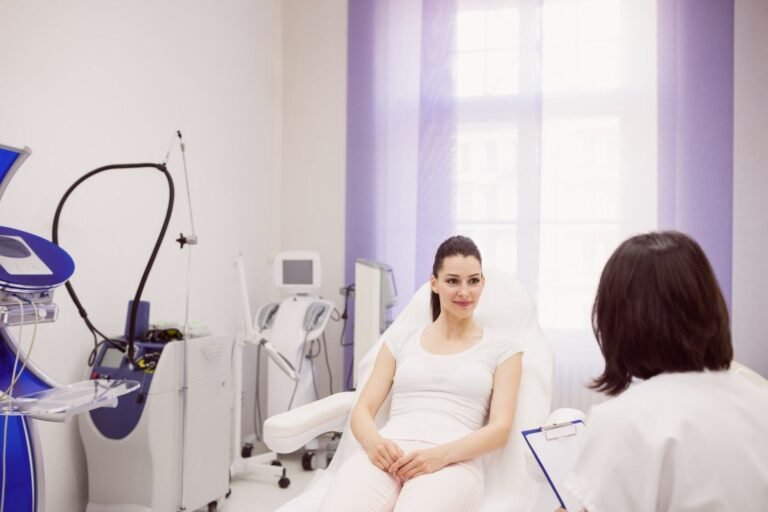

Gynecology Clinic in Tri Nagar Delhi for PCOS, Irregular Periods, and Hormonal Imbalance
Women may experience changes in their menstrual cycles at different stages of life. However, persistent irregular periods, acne, excessive facial hair, or unexplained weight changes can sometimes indicate an underlying hormonal concern. Finding a reliable Gynecology Clinic in Tri Nagar Delhi can help women understand these symptoms, receive an appropriate evaluation, and explore suitable treatment options. Conditions such as polycystic ovary syndrome (PCOS) and thyroid disorders can affect menstrual health, fertility, and overall well-being. Although these problems are common, their causes and treatment requirements differ from person to person. Understanding the warning signs and knowing when to consult a gynecologist are important steps towards better reproductive health.
For fast information, direct chat with us on WhatsApp.
A gynecology clinic in Tri Nagar, Delhi, can help women evaluate PCOS, irregular periods, and hormonal imbalance through medical history, physical assessment, and appropriate tests. Depending on the underlying cause, treatment may include lifestyle changes, medication, cycle regulation, or fertility support. Early evaluation can help identify potential complications and guide an individualized care plan.
Understanding PCOS and Hormonal Imbalance
Hormones regulate several important functions, including menstruation, ovulation, metabolism, and reproductive health. When hormone levels or their effects become unbalanced, women may notice changes in their periods, skin, weight, or hair growth.
What is PCOS?
Polycystic ovary syndrome is a hormonal condition that can affect ovulation. It may be associated with irregular or absent periods, increased androgen levels (hormones such as testosterone), acne, and excess facial or body hair. Some women also experience insulin resistance, which can affect blood sugar regulation.
PCOS does not look the same in every woman. Not everyone with PCOS has ovarian cysts visible on an ultrasound, and an ultrasound alone cannot confirm the diagnosis.
What causes hormonal imbalance?
Hormonal changes can have several causes, including:
- PCOS and irregular ovulation.
- Thyroid disorders.
- Elevated prolactin levels.
- Significant weight changes or inadequate nutrition.
- Excessive exercise, stress, or other factors affecting the menstrual cycle.
- Perimenopause and other age-related hormonal changes.
Because these conditions can produce similar symptoms, a medical assessment is more useful than trying to identify the cause from symptoms alone.
Common Symptoms That Need a Gynecologist’s Attention
Occasional changes in menstrual timing may happen. However, repeated changes or symptoms that interfere with everyday life deserve attention.
Consult a gynecologist if you experience:
- Periods that frequently arrive late or are missed.
- Menstrual cycles that are consistently shorter or longer than usual.
- Bleeding that lasts longer than seven days.
- Heavy menstrual bleeding or bleeding between periods.
- Persistent acne or increased facial hair.
- Unexplained weight changes alongside menstrual irregularities.
- Difficulty conceiving or concerns about ovulation.
- Pelvic discomfort or unusual changes in menstrual symptoms.
Seek urgent medical care if you experience very heavy bleeding accompanied by dizziness, fainting, or severe weakness. Severe pelvic pain, especially with possible pregnancy, also requires prompt assessment.
How a Gynecologist Diagnoses PCOS and Irregular Periods
An accurate diagnosis begins with understanding the patient’s symptoms, medical history, and menstrual pattern. At a Gynecology Clinic in Tri Nagar Delhi, women can discuss their concerns and learn which investigations may be appropriate for their circumstances.
1. Medical history and examination
A gynecologist may ask about the date of your last period, cycle length, bleeding pattern, acne, hair growth, weight changes, medication use, and pregnancy plans. A physical examination may be recommended based on your symptoms and medical needs.
2. Blood tests
Depending on the suspected cause, tests may assess thyroid function, prolactin, androgen levels, or other hormones. A pregnancy test may be appropriate when pregnancy is possible. Women with suspected PCOS may also need assessment of blood glucose and cholesterol-related risk factors.
Not every patient needs every test. The clinician selects investigations according to the symptoms and findings.
3. Ultrasound when appropriate
A pelvic ultrasound can help assess the uterus and ovaries and investigate certain causes of abnormal bleeding. However, PCOS is diagnosed using a combination of clinical findings, laboratory results where indicated, and sometimes ultrasound—not an ultrasound alone.
Treatment Options for PCOS and Hormonal Imbalance
Treatment depends on the underlying cause, symptom severity, age, medical history, and whether pregnancy is desired.
Lifestyle adjustments
For women with PCOS, balanced nutrition, regular physical activity, sufficient sleep, and sustainable weight management where appropriate may improve metabolic health and menstrual regularity. These measures can support treatment but do not replace medical care when medication or further investigation is needed.
Medication and menstrual cycle regulation
A gynecologist may recommend hormonal contraceptives or periodic progestogen treatment to regulate bleeding and protect the uterine lining in selected patients. Other medicines may be considered for specific symptoms, insulin resistance, or associated conditions.
Do not start hormonal medicines or supplements without professional advice, particularly if you have other medical conditions or may be pregnant.
Fertility-related treatment
Women who have difficulty conceiving because of irregular ovulation may benefit from a fertility evaluation. Depending on the diagnosis, treatment can include ovulation-inducing medication and further reproductive care. PCOS does not automatically mean infertility, and many women with the condition can conceive.
Choosing the Right Gynecology Clinic in Tri Nagar Delhi
When comparing clinics in Tri Nagar and nearby North Delhi localities, focus on the quality and suitability of care rather than promotional claims.
Consider the following:
- Qualified medical professional: Check the gynecologist’s qualifications, registration, and relevant experience.
- Appropriate diagnostic evaluation: The clinician should investigate possible causes instead of assuming every irregular period is due to PCOS.
- Clear treatment explanations: You should understand the proposed treatment, potential side effects, follow-up schedule, and alternatives.
- Continuity of care: Hormonal conditions may require monitoring and adjustments over time.
- Convenient access: Consider appointment availability, location, privacy, and access to necessary investigations.
Women living in Tri Nagar, Ashok Vihar, and other nearby areas can compare accessible gynecology services based on their individual needs. Before visiting Ummeed Urology and Gynecology, check the clinic’s current services, appointment arrangements, and availability of the care you require.
Practical Tips for Managing Menstrual Health
Alongside professional treatment, a few everyday habits can help you recognize patterns and prepare for appointments.
- Track your periods: Record the first day of each period, how long bleeding lasts, and any unusual symptoms.
- Maintain balanced nutrition: Eat regular, varied meals and avoid extreme diets.
- Stay physically active: Choose activities you can maintain comfortably, such as walking, cycling, or strength training.
- Prioritize sleep: Keep a consistent sleep schedule where possible.
- Attend follow-up appointments: Review your symptoms and treatment response with your gynecologist.
Bring your menstrual records and a list of medicines or supplements to your appointment. These details can help your clinician assess your symptoms more effectively.
Frequently Asked Questions
1. Can PCOS cause irregular periods?
Yes. PCOS can interfere with ovulation, leading to irregular, infrequent, or absent periods. However, thyroid disorders, elevated prolactin, stress, and other conditions can also affect menstrual cycles. If your periods are repeatedly irregular, consult a gynecologist to identify the cause rather than assuming you have PCOS.
2. When should I see a gynecologist for irregular periods?
Consult a gynecologist if your periods repeatedly become irregular, you miss periods without a clear explanation, bleeding lasts longer than seven days, or you experience bleeding between periods. Seek urgent medical attention for very heavy bleeding with dizziness or fainting, or severe pelvic pain, particularly if pregnancy is possible.
3. How is PCOS diagnosed without an ultrasound?
PCOS can sometimes be diagnosed without an ultrasound when the clinical criteria are met. In adults, doctors generally assess ovulatory dysfunction, signs or blood-test evidence of excess androgens, and other possible causes. When both irregular ovulation and androgen excess are established, ultrasound may not be necessary. Diagnostic criteria differ for adolescents.
4. Can PCOS be managed without medication?
Some women with PCOS benefit from sustainable lifestyle changes, including balanced nutrition, regular exercise, and adequate sleep. However, lifestyle measures alone may not address every symptom or protect the uterine lining when periods are very infrequent. A gynecologist can help determine whether medication or additional monitoring is necessary.
5. How do I choose a gynecology clinic in Tri Nagar Delhi?
Look for a qualified gynecologist who evaluates the possible causes of your symptoms, explains investigations and treatment choices, and offers appropriate follow-up. Check the clinic’s location, appointment availability, and services before visiting. Ask whether the clinician can assess PCOS, menstrual disorders, and hormonal concerns relevant to your needs.
Conclusion
PCOS, irregular periods, and hormonal imbalance can affect menstrual health, fertility, and overall well-being, but appropriate evaluation can help women understand their symptoms and available treatment options. Tracking menstrual changes, maintaining healthy daily habits, and seeking timely medical advice are important steps towards better reproductive health. If you are looking for a Gynecology Clinic in Tri Nagar Delhi, prioritize qualified medical care, a clear diagnostic approach, and personalized follow-up rather than relying on symptoms alone. You can explore the services offered by Ummeed Urology and Gynecology and contact the clinic to confirm appointment availability and whether it provides the care you need. Early assessment can help you make informed decisions about your health.