
Infertility Treatment in Delhi: Causes, Diagnosis, and Modern Treatment Options
Trying to conceive can be an exciting journey, but for some couples, pregnancy does not happen as expected. Infertility can affect both women and men, and several factors may contribute to difficulty conceiving. Fortunately, advances in reproductive medicine have made diagnosis and treatment more individualized than ever. For couples considering Infertility treatment in Tri Nagar Delhi, understanding the possible causes, diagnostic process, and available treatment options can make the next step less confusing and stressful.
For fast information, direct chat with us on WhatsApp.
Infertility treatment involves identifying factors that may prevent conception and choosing treatment based on the underlying cause. Options can include lifestyle changes, medicines, ovulation treatment, surgery, IUI, or IVF. A fertility specialist usually recommends appropriate tests for both partners before creating an individualized treatment plan.
What Is Infertility?
Infertility generally refers to the inability to achieve pregnancy after 12 months of regular, unprotected intercourse. For women aged 35 or older, evaluation is generally recommended after six months of trying because fertility can decline with age.
Infertility does not always mean pregnancy is impossible. In many cases, identifying the underlying issue can help doctors recommend appropriate treatment.
Importantly, infertility can involve either partner. Therefore, evaluating both the male and female reproductive factors is an important part of a comprehensive fertility assessment.
What Causes Infertility?
Several conditions can affect fertility. Sometimes, doctors identify one clear cause; in other situations, multiple factors contribute.
Causes of Female Infertility
Common factors include:
- Ovulation disorders
- Polycystic ovary syndrome (PCOS)
- Endometriosis
- Blocked or damaged fallopian tubes
- Uterine fibroids or certain uterine abnormalities
- Reduced ovarian reserve
- Increasing reproductive age
- Previous pelvic infections or surgery
Hormonal problems can also interfere with ovulation or the menstrual cycle. Consequently, irregular or absent periods may warrant medical evaluation, particularly when pregnancy is the goal.
Causes of Male Infertility
Male fertility can be affected by:
- Low sperm count
- Poor sperm movement or motility
- Abnormal sperm morphology
- Hormonal disorders
- Varicocele
- Certain infections
- Previous testicular injury or surgery
- Some medications or medical conditions
- Lifestyle and environmental factors
Because male factors contribute substantially to infertility, semen analysis often forms an important part of the initial assessment.
When Should You Seek Infertility Evaluation?
Knowing when to consult a specialist can prevent unnecessary delays.
Consider seeking medical advice if:
- You have been trying to conceive for 12 months without success.
- You are 35 or older and have tried for six months.
- Your periods are highly irregular or absent.
- You have severe pelvic pain or known endometriosis.
- You have a history of pelvic or reproductive surgery.
- You have experienced repeated pregnancy losses.
- You have a known condition that may affect fertility.
- There are concerns about sperm health or previous testicular problems.
If you already know about a reproductive health condition, discussing fertility earlier may be beneficial.
How Is Infertility Diagnosed?
A fertility evaluation begins with a detailed medical and reproductive history. Your doctor may ask about menstrual cycles, previous pregnancies, medications, medical conditions, surgeries, sexual history, and lifestyle factors.
Testing may then be recommended according to individual circumstances.
Common Fertility Tests for Women
These may include:
- Ovulation assessment
- Hormonal blood tests
- Pelvic ultrasound
- Ovarian reserve assessment when clinically appropriate
- Assessment of the uterus and fallopian tubes
- Additional tests based on symptoms and medical history
A test such as hysterosalpingography (HSG) may help assess whether the fallopian tubes are open.
Fertility Tests for Men
A semen analysis can assess important characteristics such as sperm concentration, movement, and morphology. Depending on the results and clinical history, doctors may recommend hormonal testing, ultrasound, or other investigations.
The goal is not simply to perform every available test. Instead, a good evaluation uses relevant investigations to identify factors that could influence treatment decisions.
Modern Infertility Treatment Options
There is no single infertility treatment that works for every couple. Treatment depends on age, reproductive history, test results, duration of infertility, and the underlying cause.
Medicines and Ovulation Treatment
For women who do not ovulate regularly, appropriate fertility medicines may help stimulate ovulation. Doctors may also address conditions such as PCOS or thyroid-related hormonal problems when they affect reproductive health.
Medication should always be prescribed and monitored by a qualified medical professional because the choice and dose depend on individual circumstances.
Surgery
In selected cases, surgery may help address structural problems affecting fertility. Examples can include certain fibroids, endometriosis, ovarian conditions, or tubal abnormalities.
However, surgery is not automatically the best option. A fertility specialist should consider the potential benefits, risks, age, ovarian reserve, and other treatment alternatives before recommending it.
Intrauterine Insemination (IUI)
IUI involves placing prepared sperm directly into the uterus around the time of ovulation. It may be considered in selected cases, including some cases of unexplained infertility or certain male-factor fertility problems.
The suitability and expected benefit vary from couple to couple.
In Vitro Fertilization (IVF)
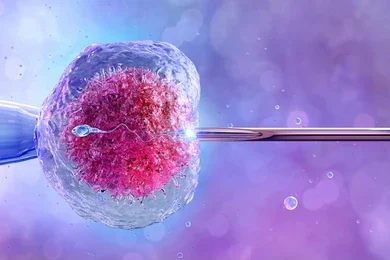
IVF is a more advanced assisted reproductive technique. During IVF, eggs are retrieved from the ovaries and fertilized with sperm in a laboratory. An embryo may then be transferred into the uterus.
IVF may be considered for conditions such as certain tubal problems, some forms of male-factor infertility, reduced ovarian reserve, or when other treatments have not been successful.
Importantly, IVF does not guarantee pregnancy. A fertility specialist can explain realistic expectations based on individual factors.
How to Choose the Right Infertility Treatment in Tri Nagar Delhi
Choosing a fertility clinic or specialist involves more than looking at treatment availability. Consider whether the clinic provides a structured evaluation for both partners and explains why a particular treatment is being recommended.
Look for:
- Qualified fertility and reproductive health professionals
- Appropriate diagnostic facilities
- Individualized treatment planning
- Clear communication about benefits and risks
- Transparent discussion of treatment costs
- Appropriate monitoring during fertility treatment
- Evidence-based medical practices
For people seeking Infertility treatment in Tri Nagar Delhi, accessibility can also matter because fertility treatment may require multiple appointments, investigations, and follow-ups.
Can Lifestyle Changes Improve Fertility?
Lifestyle habits cannot correct every cause of infertility, but they can support overall reproductive health.
A balanced diet, regular physical activity, healthy weight management, adequate sleep, avoidance of tobacco, and limiting excessive alcohol intake can contribute to general health.
Couples should also discuss supplements with their doctor rather than taking fertility products without medical guidance. Women planning pregnancy are commonly advised to take folic acid, with the appropriate dose determined according to individual medical circumstances.
Why Early Evaluation Matters
Fertility is influenced by several factors, and age is particularly important for female reproductive potential. Therefore, delaying evaluation when there are clear risk factors may reduce the time available to explore treatment options.
At the same time, infertility can be emotionally demanding. Couples should receive clear information and realistic expectations rather than promises of guaranteed results.
A supportive doctor-patient relationship can make the diagnostic and treatment process easier to understand and manage.
Conclusion
Infertility can have many causes, and finding the right treatment begins with understanding the factors affecting both partners. From lifestyle adjustments and medications to IUI, surgery, and IVF, modern fertility care offers several approaches depending on individual needs.
If you are considering Infertility treatment in Tri Nagar Delhi, a timely consultation with a Ummeed urology and gynecology center can help you understand your fertility status and available options. Rather than relying on generalized treatment plans, seek an evaluation that considers your age, medical history, reproductive goals, and test results. At Ummeed Urology & Gynecology, couples can discuss their concerns and take an informed next step toward appropriate fertility care.