Who Can Benefit from ZSR Circumcision Treatment? Conditions and Advantages
Circumcision is a surgical procedure that removes the foreskin covering the head of the penis. While traditional techniques remain widely used, modern approaches such as ZSR circumcision can offer a streamlined treatment option for selected patients. For people exploring ZSR circumcision treatment in North Delhi, understanding who may benefit, how the procedure works, and what recovery involves can help them make an informed decision with a qualified urologist.
For fast information, direct chat with us on WhatsApp.
ZSR circumcision may benefit children and adults who need circumcision because of conditions such as recurrent foreskin infections, phimosis, or difficulty retracting the foreskin. The technique uses a circumcision stapler designed to remove the foreskin and close the wound efficiently. A urologist should assess each patient before recommending the procedure.
What Is ZSR Circumcision?
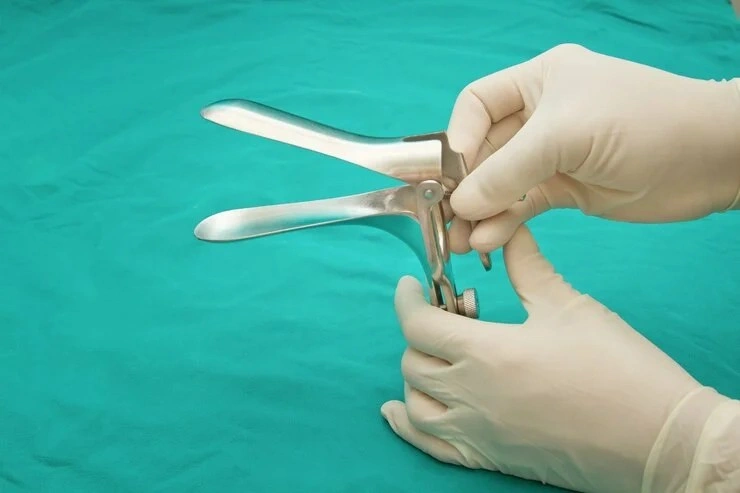
ZSR circumcision is a modern circumcision technique that uses a specialized stapling device. The device removes the excess foreskin and places a circular line of staples around the surgical site.
Unlike conventional circumcision, which involves manually cutting and suturing the foreskin, the ZSR technique is designed to standardize the cutting and wound-closure process. However, suitability depends on the patient’s age, anatomy, medical history, and reason for circumcision.
A consultation with Ummeed Urology and Gynecology Center remains important before choosing any circumcision technique. The doctor can assess the foreskin, identify underlying conditions, discuss available options, and explain the expected recovery.
Who May Benefit from ZSR Circumcision Treatment in North Delhi?
Not everyone needs circumcision. However, certain medical conditions or personal circumstances may make it appropriate.
1. People with Phimosis
Phimosis occurs when the foreskin is too tight to retract comfortably over the glans. In some children, temporary tightness can be a normal part of development. However, persistent or symptomatic phimosis may require medical evaluation.
Depending on the severity and underlying cause, treatment may include conservative management or circumcision. A urologist can determine whether ZSR circumcision is appropriate.
2. Recurrent Foreskin Infections
Repeated inflammation or infection of the foreskin and glans can cause discomfort, redness, swelling, itching, or discharge. Conditions such as balanitis and balanoposthitis may recur in some individuals.
If infections continue despite appropriate medical treatment, circumcision may be considered. Removing the foreskin can help eliminate the tissue where inflammation and moisture may repeatedly develop.
3. Pain or Difficulty During Foreskin Retraction
Some adults experience discomfort when retracting the foreskin during washing or sexual activity. Tightness can sometimes lead to small tears and scarring.
If the problem results from a persistent foreskin condition, a urologist may discuss circumcision as one treatment option. ZSR may be considered when the patient’s clinical assessment supports its use.
4. Recurrent Problems Affecting Daily Hygiene
A tight or problematic foreskin can make genital hygiene difficult. Accumulation of secretions beneath the foreskin may contribute to irritation or infection.
Circumcision permanently removes the foreskin, which can simplify routine hygiene. Nevertheless, good genital hygiene remains important after the procedure.
5. Selected Cases of Foreskin Scarring
Scarring can cause the foreskin to become increasingly tight and difficult to retract. Certain inflammatory skin conditions may contribute to this problem.
Because the cause of scarring matters, patients should not self-diagnose. A urologist should examine the area and recommend treatment according to the underlying condition.
What Are the Potential Advantages of ZSR Circumcision?
ZSR circumcision has become an option for patients looking for a modern approach to circumcision. Potential advantages may include:
- A standardized cutting and closure technique
- A procedure that is generally relatively quick
- Circular wound closure using specialized staples
- No conventional stitches in the usual ZSR technique
- A clearly defined surgical site
- Convenient outpatient management in appropriate cases
However, these benefits do not mean ZSR is automatically better for every patient. Surgical outcomes depend on the patient’s health, anatomy, surgical technique, aftercare, and the experience of the treating doctor.
How Is the ZSR Circumcision Procedure Performed?
Before treatment, the urologist evaluates the foreskin and discusses the patient’s medical history. The doctor also explains anesthesia, preparation, expected recovery, and possible risks.
During the procedure, appropriate anesthesia is administered. The foreskin is positioned within the circumcision stapler, and the device removes the excess foreskin while placing staples around the incision.
Afterward, the patient receives instructions regarding wound care, hygiene, activity restrictions, medication, and follow-up. The exact process can vary according to individual circumstances and clinical practice.
What Is Recovery Like After ZSR Circumcision?
Recovery differs from person to person. Mild swelling, tenderness, bruising, or discomfort can occur during the early healing period.
Patients should follow their urologist’s instructions carefully. These may include:
- Keeping the surgical area clean and dry as advised
- Taking prescribed medication according to instructions
- Avoiding strenuous exercise until medically cleared
- Wearing comfortable, supportive clothing
- Avoiding sexual activity until healing is sufficient
- Attending scheduled follow-up appointments
The staples generally separate or fall away as healing progresses, but patients should never attempt to remove them themselves unless specifically instructed by their doctor.
When Should You Seek Medical Advice After Circumcision?
Some discomfort after surgery can be expected. However, certain symptoms require prompt medical assessment.
Contact your doctor if you experience significant or worsening pain, persistent bleeding, increasing swelling, fever, pus-like discharge, difficulty passing urine, or other symptoms that concern you.
In particular, difficulty urinating or significant bleeding should not be ignored. Early assessment can help identify and manage complications appropriately.
Is ZSR Circumcision Suitable for Everyone?
No. The decision depends on individual factors. Age, anatomy, existing medical conditions, previous procedures, infection, skin disorders, and the reason for circumcision can all influence treatment selection.
For example, some children with a naturally non-retractable foreskin may not require surgery at all. Likewise, adults with mild symptoms may have non-surgical treatment options depending on the diagnosis.
Therefore, patients should avoid choosing a circumcision technique solely because it appears newer or faster. A qualified urologist can explain whether ZSR, conventional circumcision, or another approach is most suitable.
Choosing ZSR Circumcision Treatment in North Delhi
When searching for ZSR circumcision treatment in North Delhi, consider more than the procedure itself. Look for a qualified urologist, an appropriate clinical facility, clear pre-operative counselling, proper infection-control practices, and structured follow-up care.
During your consultation, ask about the reason circumcision is recommended, available alternatives, anesthesia, expected recovery, potential complications, aftercare, and the experience of the treating surgeon.
A detailed consultation helps ensure that the treatment decision is based on your medical needs rather than assumptions or online comparisons.
Conclusion
ZSR circumcision can be a suitable treatment option for selected children and adults dealing with conditions such as persistent phimosis, recurrent foreskin infections, or problematic foreskin scarring. Its stapler-based approach may offer practical advantages, but suitability varies from patient to patient. Therefore, a proper urological examination should always come before choosing a circumcision technique. If you are considering ZSR circumcision treatment in North Delhi, discuss your symptoms, treatment alternatives, expected recovery, and potential risks with a qualified urologist. A personalized evaluation can help you understand whether ZSR circumcision is appropriate for your condition and support a safer, more informed treatment decision.