
When Should You See a Urologist? Signs You Should Never Ignore
Urinary and reproductive health problems can affect people of all ages, but many symptoms are often ignored until they become more uncomfortable or persistent. Problems such as frequent urination, blood in the urine, kidney stones, difficulty passing urine, or pelvic pain may need specialist evaluation. Knowing when to consult a Urologist in North Delhi can help you receive timely diagnosis and appropriate treatment.
Dr Saurabh Mittal specializes in diagnosing and managing conditions affecting the urinary tract, including the kidneys, ureters, bladder, and urethra. In men, urologists also treat conditions involving the prostate, testes, penis, and male reproductive system.
For fast information, direct chat with us on WhatsApp.
You should see a urologist if you experience blood in your urine, recurring urinary infections, difficulty or pain while urinating, kidney stones, urinary leakage, persistent pelvic pain, or significant changes in urination. Men should also seek urological evaluation for prostate symptoms, erectile problems, or testicular concerns that persist or worsen.
What Does a Urologist Treat?
A urologist manages a wide range of urinary and male reproductive health conditions. Depending on your symptoms, the specialist may evaluate your kidneys, bladder, ureters, urethra, prostate, or reproductive organs.
Common conditions treated by urologists include:
- Kidney and ureteric stones
- Urinary tract infections (UTIs)
- Enlarged prostate or benign prostatic hyperplasia (BPH)
- Blood in the urine
- Urinary incontinence
- Difficulty emptying the bladder
- Overactive bladder
- Urethral problems
- Prostate disorders
- Erectile and male reproductive concerns
- Certain urinary tract cancers
- Testicular and scrotal conditions
Therefore, persistent urinary symptoms should not automatically be attributed to ageing, dehydration, stress, or lifestyle.
Signs You Should See a Urologist
Some urinary symptoms require prompt medical attention. If you notice any of the following problems, consider consulting a specialist.
1. Blood in the Urine
Blood in the urine, known medically as hematuria, should never be ignored. The urine may appear pink, red, or brown, although microscopic blood may only show up during testing.
Kidney stones, infections, prostate problems, medications, and other conditions can cause hematuria. In some cases, it can indicate a more serious urinary tract condition. A urologist can determine the underlying cause through appropriate evaluation.
2. Pain or Burning During Urination
A burning sensation while urinating commonly occurs with urinary infections. However, recurrent or persistent discomfort may have other causes, including bladder problems, stones, or certain prostate and urethral conditions.
If the symptoms continue despite initial treatment or repeatedly return, specialist assessment can help identify why they are occurring.
3. Frequent or Urgent Urination
Needing to urinate frequently can become disruptive, particularly when it affects sleep, work, or daily activities. A sudden and strong urge to urinate may also indicate an overactive bladder or another urinary problem.
However, frequent urination can have several causes, including increased fluid intake, diabetes, infection, medications, and prostate enlargement. A urologist can help distinguish between them.
4. Difficulty Starting or Maintaining Urine Flow
A weak urine stream, difficulty starting urination, stopping and starting during urination, or straining to empty the bladder can indicate an underlying problem.
In older men, these symptoms commonly occur with an enlarged prostate. However, urinary narrowing, bladder dysfunction, stones, and other conditions may also contribute.
5. Recurrent Urinary Tract Infections
One isolated UTI may respond well to appropriate treatment. Repeated infections, however, deserve further evaluation.
Recurrent urinary infections can sometimes be associated with urinary obstruction, stones, incomplete bladder emptying, or other underlying problems. Finding and treating the cause can help reduce future episodes.
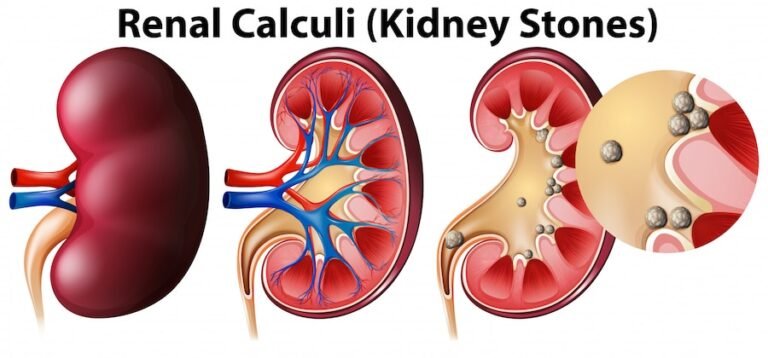
6. Kidney or Urinary Stones
Kidney stones can cause severe pain in the back, side, abdomen, or groin. Some stones pass naturally, while larger or obstructing stones may require medical or procedural treatment.
Seek medical attention promptly if stone-related pain occurs with fever, chills, vomiting, difficulty urinating, or blood in the urine. These symptoms can sometimes indicate complications requiring urgent assessment.
7. Persistent Pelvic or Lower Abdominal Pain
Ongoing pain around the pelvis, lower abdomen, groin, or urinary area should not be dismissed, particularly when it occurs alongside urinary changes.
Several conditions can cause pelvic discomfort. A urological evaluation can help determine whether the urinary system or another structure is responsible.
When Men Should Consider a Urological Checkup
Men may benefit from urological evaluation when they notice changes in urination, sexual health, or reproductive function.
Symptoms worth discussing with a urologist include:
- Difficulty achieving or maintaining an erection
- Pain or swelling in the testicles
- Changes in ejaculation
- A lump or unusual change in the testicle
- Weak urinary stream
- Frequent nighttime urination
- Difficulty emptying the bladder
- Persistent pelvic or prostate-related discomfort
For men experiencing prostate-related symptoms, early evaluation can help identify whether the changes are associated with benign prostate enlargement or another condition.
What to Expect During a Urologist Consultation
Many people delay an appointment because they are unsure what will happen during the consultation. In most cases, the urologist begins by discussing your symptoms, medical history, medications, previous infections, surgeries, and family history.
Depending on the symptoms, the doctor may recommend tests such as:
- Urine analysis
- Blood tests
- Ultrasound or other imaging
- Kidney function testing
- Prostate-related evaluation
- Measurement of urine flow
- Assessment of bladder emptying
Not every patient requires every test. Dr Saurabh Mittal will recommend investigations based on your symptoms and clinical findings.
How to Prepare for Your Appointment
A little preparation can make your consultation more useful. Before visiting a Urologist in North Delhi, note when your symptoms started and whether they are becoming more frequent or severe.
It can also help to record:
- How often you urinate
- Whether you wake up at night to urinate
- Any pain or burning
- Changes in urine colour or smell
- Previous UTIs or kidney stones
- Current medications and supplements
- Previous urinary or reproductive procedures
Be open about symptoms that may feel uncomfortable to discuss. Accurate information helps the doctor make a more informed assessment.
Why Early Urological Evaluation Matters
Ignoring urinary symptoms can allow some conditions to progress or repeatedly affect your quality of life. Early evaluation does not necessarily mean you have a serious disease. Instead, it helps identify the cause and determine whether monitoring, lifestyle changes, medication, or a procedure is appropriate.
For example, persistent difficulty urinating may result from an enlarged prostate, while recurrent flank pain may be related to kidney stones. These conditions require different approaches, which makes proper diagnosis important.
When to Seek Urgent Medical Care
Some symptoms require more immediate attention rather than a routine appointment. Seek prompt medical care if you experience:
- Inability to urinate
- Severe or rapidly worsening flank or abdominal pain
- Blood clots or significant blood in the urine
- Fever and chills with urinary symptoms
- Severe testicular pain or sudden swelling
- Persistent vomiting associated with suspected kidney stones
These symptoms can sometimes signal obstruction, infection, bleeding, or another condition that needs timely assessment.
Conclusion
Urinary symptoms are common, but they should not always be considered a normal part of ageing or daily life. Blood in the urine, recurring infections, painful urination, kidney stones, weak urine flow, pelvic pain, and prostate-related changes all deserve appropriate medical attention. Consulting a Urologist in North Delhi can help identify the underlying cause and guide you toward suitable treatment. If you have persistent or recurring urinary, kidney, prostate, or male reproductive symptoms, consider scheduling a consultation at Ummeed Urology and Gynecology Center. Timely evaluation can provide clarity, support better management, and help protect your long-term urological health.