What to Expect During Fibroid Treatment in Tri Nagar: A Patient Guide
Being diagnosed with a uterine fibroid can raise many questions. Is treatment always necessary? Will surgery be required? How long does recovery take? If you are considering Fibroid Treatment in Tri Nagar, understanding the process beforehand can make your consultation more comfortable and help you discuss your concerns clearly with a gynecologist. Fibroids are non-cancerous growths that develop in or around the uterus. They can cause heavy menstrual bleeding, pelvic pressure, painful periods, frequent urination, or sometimes no symptoms at all. Treatment depends on factors such as symptoms, fibroid size and location, age, overall health, and pregnancy plans.
For fast information, direct chat with us on WhatsApp.
Fibroid Treatment in Tri Nagar may involve observation, medicines, minimally invasive procedures, or surgery, depending on the fibroid and the symptoms it causes. Treatment usually begins with a gynecological evaluation, medical history, examination, and imaging such as ultrasound. Ummeed urology and gynecology center will discuss the most suitable option based on your symptoms, reproductive plans, and overall health.
Understanding Uterine Fibroids
Uterine fibroids are growths arising from the muscle and connective tissue of the uterus. They can vary in number and size and may occur in different parts of the uterus.
Some fibroids remain small and cause no noticeable problems. Others may contribute to:
- Heavy or prolonged menstrual bleeding
- Pelvic pain or pressure
- Pain during intercourse
- Frequent urination
- Constipation or abdominal pressure
- Lower back discomfort
- Difficulty becoming pregnant in some cases
Not every fibroid requires immediate treatment. If symptoms are mild or absent, a doctor may recommend monitoring rather than active intervention.
How Is Fibroid Treatment Planned?
Before recommending treatment, a gynecologist will usually assess your symptoms and medical history. You may be asked about your menstrual cycle, bleeding pattern, pain, previous pregnancies, medications, and plans for future pregnancy.
Tests Used to Evaluate Fibroids
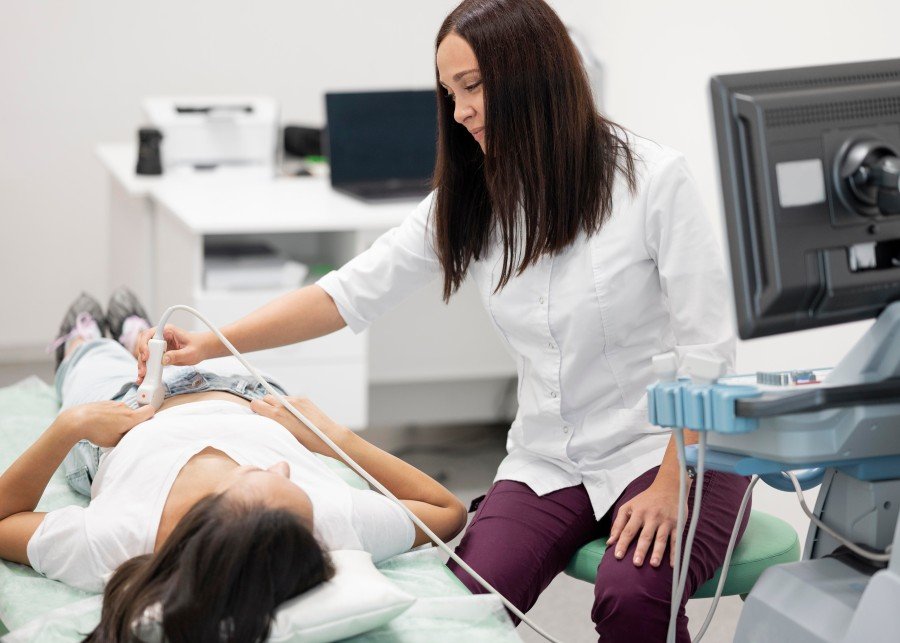
An ultrasound is commonly used to identify fibroids and assess their size and location. Depending on the situation, your doctor may recommend additional investigations, such as blood tests to check for anemia or other imaging procedures.
The evaluation helps determine whether symptoms are actually related to fibroids and whether treatment is necessary.
Fibroid Treatment in Tri Nagar: What Are the Options?
There is no single treatment suitable for every patient. The approach depends on individual circumstances.
1. Monitoring
Small or symptom-free fibroids may simply be monitored through periodic consultations and imaging. This approach can be appropriate when the fibroids are not causing significant problems.
2. Medicines
Medication may help control symptoms such as heavy bleeding or pelvic discomfort. Some medicines can temporarily reduce symptoms or influence hormone activity. However, medication does not necessarily eliminate the fibroid itself.
Your gynecologist will consider your medical history and treatment goals before recommending any medicine.
3. Minimally Invasive Procedures
Certain patients may be candidates for procedures designed to treat fibroids without conventional open surgery. The suitability of these approaches depends on fibroid characteristics, symptoms, fertility considerations, and available treatment options.
Your doctor can explain the potential benefits, limitations, and recovery requirements of each procedure.
4. Surgical Treatment
Surgery may be considered when fibroids are large, symptoms are significant, other treatments have not provided adequate relief, or the fibroid’s location creates particular concerns.
Depending on the circumstances, surgical options may include myomectomy, which removes fibroids while preserving the uterus, or other procedures selected according to the patient’s individual needs.
For someone planning a future pregnancy, discussing fertility goals before treatment is particularly important.
What Happens Before the Procedure?
If your doctor recommends an intervention, you may receive specific instructions beforehand. These can include blood tests, imaging, medication adjustments, fasting instructions, or other pre-procedure assessments.
Make sure your doctor knows about all medicines and supplements you take. Also discuss allergies, previous surgeries, existing health conditions, and pregnancy plans.
Do not stop prescribed medication unless your healthcare professional specifically advises you to do so.
What Should You Expect During Recovery?
Recovery varies considerably depending on the treatment used. A patient undergoing medication-based management will generally have a different recovery experience from someone undergoing surgery.
After a procedure, your healthcare team may provide instructions about:
- Activity and exercise
- Wound or incision care, where applicable
- Medicines for pain or other symptoms
- Follow-up appointments
- Warning signs that require medical attention
- When normal activities can be resumed
Following these instructions can help support a safe recovery.
When Should You See a Gynecologist?
Persistent or unusually heavy menstrual bleeding should not simply be considered a normal part of the menstrual cycle. You should discuss symptoms with a healthcare professional if they interfere with daily activities or are accompanied by significant pain, weakness, dizziness, or other concerning symptoms.
Seek prompt medical attention for severe bleeding, fainting, severe or sudden pelvic pain, or other symptoms that feel urgent.
Frequently Asked Questions
1. Are all uterine fibroids required to be treated?
No. Fibroids that cause no symptoms may only need observation. Treatment becomes more relevant when fibroids cause heavy bleeding, pain, pressure, anemia, fertility concerns, or other problems. A gynecologist can assess the fibroid’s size, location, growth pattern, and symptoms before recommending monitoring or active treatment.
2. Can fibroids be treated without surgery?
Yes, depending on the individual situation. Observation, medicines, and certain minimally invasive procedures may be considered before or instead of conventional surgery. However, the appropriate option depends on fibroid characteristics, symptom severity, overall health, and pregnancy plans. A consultation is necessary to determine which approaches may be suitable.
3. Will fibroid treatment affect future pregnancy?
The effect on fertility depends on the fibroid’s location, size, number, and the treatment used. Some fibroids can interfere with fertility or pregnancy, while others may have little effect. If you want to become pregnant in the future, tell your gynecologist before choosing a treatment so reproductive goals can be considered.
4. How long does recovery from fibroid treatment take?
Recovery depends on the treatment. Medication and monitoring generally do not involve surgical recovery, while procedures and surgery can require varying amounts of downtime. Your doctor should provide individualized guidance about work, exercise, driving, sexual activity, and follow-up based on the specific treatment performed.
5. Where can I discuss fibroid treatment options in Tri Nagar?
You can consult a gynecologist in or around Tri Nagar, Delhi, for an assessment of symptoms and fibroid-related concerns. During the consultation, ask about diagnostic tests, available treatment options, fertility considerations, expected recovery, and follow-up. Choosing treatment should be based on your individual medical circumstances rather than the treatment used for someone else.
Conclusion
Fibroids can affect people differently, so treatment decisions should be based on symptoms, fibroid size and location, overall health, and reproductive plans. Fibroid Treatment in Tri Nagar may range from regular monitoring and medication to minimally invasive procedures or surgery, depending on the individual situation. Understanding the diagnosis and available options can help you have a more productive discussion with your gynecologist. If you have persistent heavy bleeding, pelvic pressure, pain, or other symptoms associated with fibroids, consider arranging a professional evaluation. A gynecologist can assess your condition, explain appropriate treatment choices, and discuss what you can realistically expect before, during, and after treatment.