
When Should You Visit a Gynecology Clinic in Tri Nagar? Signs You Shouldn’t Ignore
Women often get used to menstrual changes, pelvic discomfort, unusual discharge, or hormonal symptoms and assume they will settle on their own. However, some symptoms need timely medical attention. Knowing when to consult a gynaecologist can help identify concerns early and support better reproductive and overall health.
If you are looking for a Gynecology Clinic in Tri Nagar Delhi, understanding which symptoms require professional evaluation can help you make an informed decision about your healthcare.
For fast information, direct chat with us on WhatsApp.
You should visit Dr payal agarwal when you experience persistent pelvic pain, unusually heavy or irregular periods, abnormal vaginal discharge, bleeding between periods, pain during intercourse, fertility concerns, or symptoms related to menopause. Regular gynecological checkups are also important even when you have no noticeable symptoms.
Why Regular Gynecological Care Matters
Gynecological care is not limited to pregnancy or reproductive problems. A gynaecologist can help women manage concerns related to menstruation, hormonal health, fertility, contraception, vaginal health, pregnancy, and menopause.
Regular consultations also provide an opportunity to discuss symptoms that may seem minor but could indicate an underlying condition. For example, consistently irregular periods may occur with hormonal changes, PCOS, thyroid disorders, significant weight changes, or other health concerns.
Therefore, you do not always need to wait until symptoms become severe before seeking medical advice.
Signs You Shouldn’t Ignore
Certain symptoms deserve a professional evaluation, particularly when they persist, recur, or interfere with everyday life.
1. Very Heavy or Painful Periods
Some discomfort during menstruation can be normal. However, extremely painful periods or bleeding that makes it difficult to maintain your usual routine should not simply be ignored.
Speak with a gynaecologist if you experience:
- Bleeding that is unusually heavy for you
- Periods lasting longer than expected
- Severe cramps that affect daily activities
- Large or frequent blood clots
- Fatigue or weakness associated with heavy bleeding
Conditions such as fibroids, endometriosis, adenomyosis, or hormonal problems can sometimes contribute to these symptoms.
2. Irregular or Missed Periods
Occasional changes in your menstrual cycle can happen due to stress, lifestyle changes, illness, or other temporary factors. However, repeated irregular periods deserve attention.
A gynaecologist can assess possible causes such as PCOS, thyroid-related problems, hormonal imbalance, changes in body weight, or other reproductive health issues.
If you have missed periods and pregnancy is possible, a pregnancy test and medical evaluation may also be appropriate.
3. Unusual Vaginal Discharge, Itching, or Odour
Vaginal discharge naturally changes throughout the menstrual cycle. However, a noticeable change in colour, consistency, smell, or quantity may indicate an infection or another condition.
You should consider an appointment if discharge occurs alongside:
- Persistent itching or irritation
- Burning while urinating
- Pelvic discomfort
- Unusual or strong odour
- Pain during sexual activity
Avoid self-medicating repeatedly without knowing the cause. Different vaginal conditions require different treatments.
When Should You Visit a Gynecology Clinic in Tri Nagar Delhi?
A consultation is particularly important when symptoms persist or repeatedly return. Women in Tri Nagar and nearby Delhi areas can seek professional gynecological care for concerns ranging from menstrual disorders to pregnancy and fertility-related issues.
4. Pelvic or Lower Abdominal Pain
Pelvic pain can have several causes. It may be associated with menstrual problems, ovarian cysts, endometriosis, infections, urinary conditions, or other issues.
Persistent, recurrent, or unexplained pelvic pain should be assessed rather than managed indefinitely with painkillers.
Seek urgent medical care if pelvic or abdominal pain becomes sudden and severe, particularly when accompanied by fainting, heavy bleeding, fever, vomiting, or possible pregnancy.
5. Bleeding Between Periods or After Intercourse
Unexpected vaginal bleeding can occur for several reasons, including hormonal changes, infections, cervical conditions, contraceptive use, or other gynecological problems.
Bleeding after intercourse or repeated bleeding between periods should be discussed with a qualified healthcare professional. Your doctor can determine whether examination, screening, blood tests, ultrasound, or another investigation is appropriate.
6. Pain During Intercourse
Pain during intercourse is not something you have to silently tolerate. It can occur because of vaginal dryness, infections, pelvic floor problems, endometriosis, hormonal changes, or other medical conditions.
A confidential consultation can help identify the underlying cause and guide appropriate treatment.
7. Difficulty Conceiving
If you have been trying to become pregnant without success, a fertility evaluation can help determine possible contributing factors.
Fertility concerns can involve either partner. Depending on the situation, evaluation may include menstrual and ovulation history, hormonal assessment, ultrasound, or other investigations.
Early medical advice can also be useful when periods are highly irregular, there is a known reproductive condition, or there is a history of pelvic surgery or other fertility-related concerns.
Pregnancy and Preconception Care
Gynecological care also plays an important role before and during pregnancy.
If you are planning a pregnancy, a preconception consultation can help you discuss existing medical conditions, medications, vaccinations, nutrition, folic acid supplementation, menstrual history, and other factors relevant to a healthy pregnancy.
Once pregnant, regular antenatal care helps monitor maternal and fetal health and allows potential concerns to be addressed promptly.
Gynecological Care During Perimenopause and Menopause
Menstrual changes become common during perimenopause. However, not every change should automatically be attributed to menopause.
Women may experience hot flashes, sleep difficulties, mood changes, vaginal dryness, and changes in menstrual patterns. A gynaecologist can help distinguish expected hormonal changes from symptoms that require further assessment.
Unexpected or heavy bleeding during or after menopause particularly warrants medical evaluation.
What to Expect During a Gynecology Consultation
Many women feel nervous before their first appointment. However, an honest discussion helps your doctor understand the problem more accurately.
Your consultation may include:
- Discussion of your symptoms and menstrual history.
- Questions about previous medical or surgical conditions.
- Pregnancy, contraception, or fertility history where relevant.
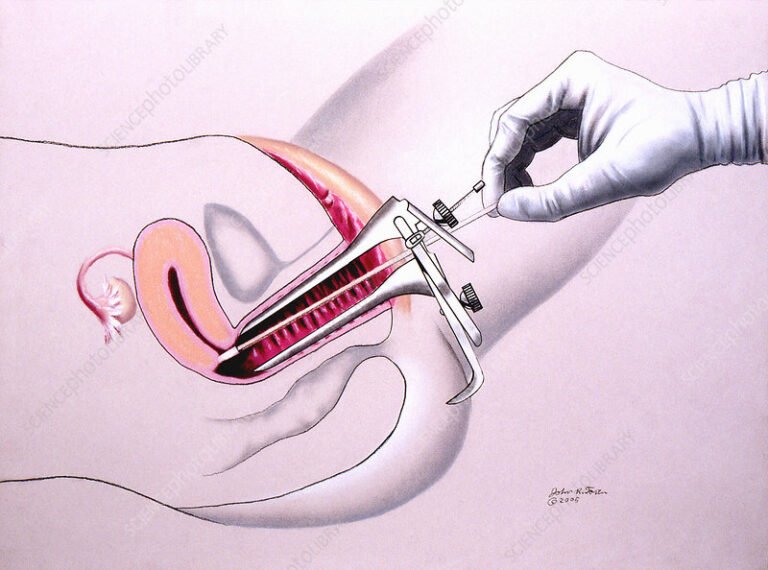
- A physical or pelvic examination when clinically necessary.
- Tests such as ultrasound, blood tests, or infection screening when indicated.
You can also ask questions about your diagnosis, treatment choices, possible side effects, and follow-up requirements. Do not hesitate to mention symptoms that may feel embarrassing. They are common topics in gynecological practice.
Choosing a Gynecology Clinic in Tri Nagar
When selecting a local gynecology clinic, consider more than convenience. Look for qualified medical professionals, appropriate diagnostic support, clear communication, privacy, and a patient-focused approach.
A clinic that offers care across different stages of women’s health can also make ongoing follow-up easier. For residents of Tri Nagar, choosing a conveniently located clinic can help reduce delays when symptoms require assessment.
Conclusion
Your reproductive health deserves attention at every stage of life. Persistent pelvic pain, unusually heavy or irregular periods, abnormal discharge, unexpected bleeding, painful intercourse, fertility concerns, and menopausal changes can all be reasons to seek professional advice. You do not have to wait for symptoms to become severe before making an appointment.
If you are searching for a Gynecology Clinic in Tri Nagar Delhi, choose a qualified healthcare provider who can assess your symptoms, explain the possible causes, and recommend appropriate care. Timely evaluation can provide reassurance when a symptom is harmless and help identify conditions that need treatment. If a concerning symptom persists or keeps returning, consider scheduling a gynecological consultation rather than ignoring it.